News
_____
Projects
_____
Commercial
Portraits
_____
Publications
Exhibitions
_____
Testimonials
Downloads
Contact
August 2026
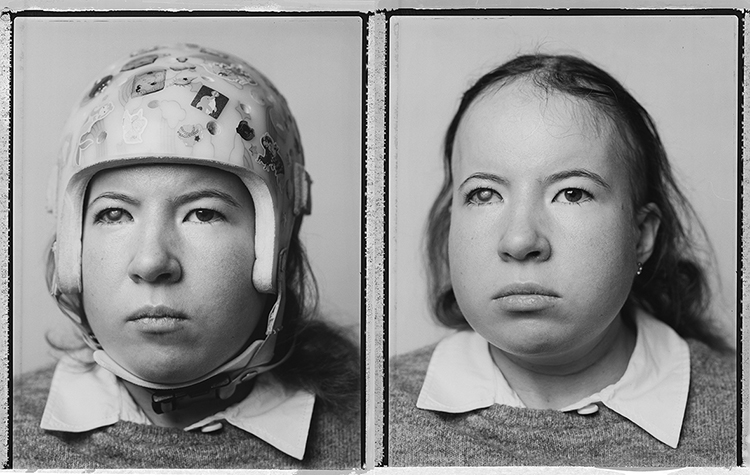
Winner Australian Photography Awards 2026
The portrait of artist Shoshanna Brott won the Australian Photography Award 2026.
Shoshanna is an emerging multidisciplinary artist who practises at the Arts Projects Australia Studios in Melbourne.
APA is an internationally leading visual arts organisation that champions neurodivergent artists and artists with inerlectual disability.
Shoshanna speaks about her helmet: "My helmet protects my head and brain because I have seizures and fall over onto the floor sometimes. I love putting stickers on my helmet that make me feel happy."
August 2025
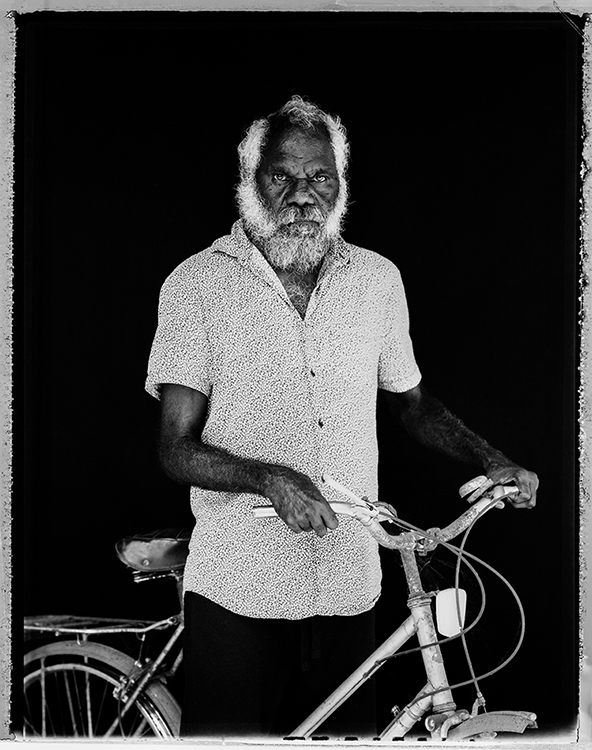
National Photographic Portrait Prize 2025
The image of Alfonso Puautjimi is a finalist in the National Photographic Portrait Prize 2025.
The exhibition of the Finalists works will be on display at the National Portrait Gallery from 16. August till 12. October 2025.
For more information please klick here.
June 2025
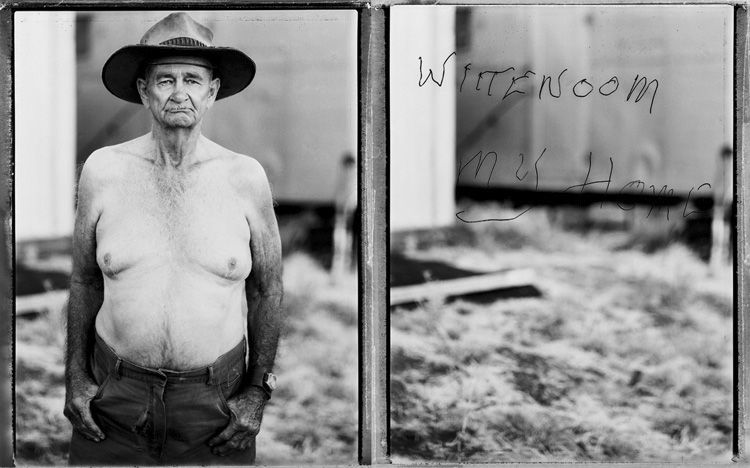
Wittenoom exhibition at DAEJEON PHOTO 25
The Wittenoom project will be exhibited in South Korea as part of Daejeon Photol 2025 from 5.- 16. June 2025.
For more information please klick here.
August 2024
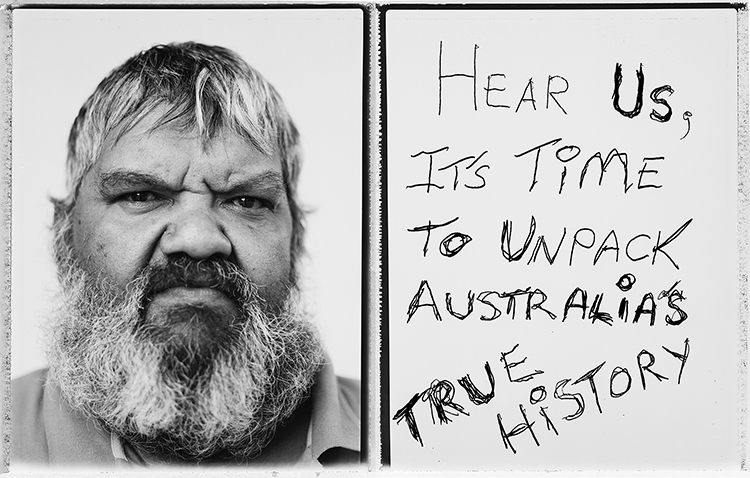
Under a Southern Star - Identity and Environment in Australian Photography
A selection of collaborative Polaroids is included in the exhibition Under a Southern Star - Identity and Environment in Australian Photography at Princeton University Art Gallery New Jersey, USA from 17. August 2024 till 5. January 2025.
For more information please klick here.
June 2024
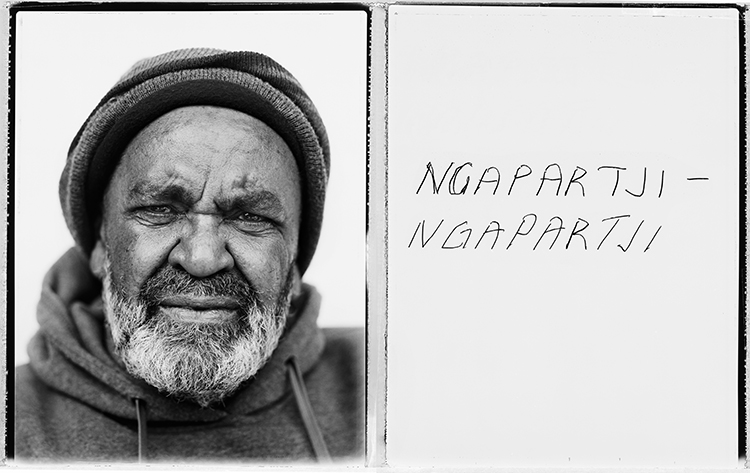
Finalist National Photographic Portrait Prize
The image of Robert Fielding is a finalist in the National Photographic Portrait Prize 2024.
The exhibition of the Finalists works will be on display at the National Portrait Gallery from 22. June till 13. October 2024.
To view the exhibition online please klick here.
October 2023
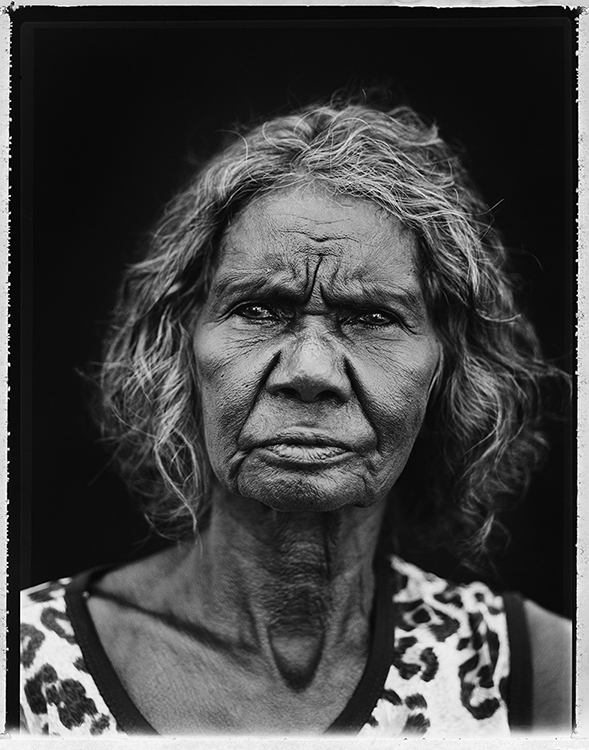
Winner people's Choice Awrd Martin Kantor portrait Prize
The image of Mary Dhapalany won the People's Choice Award at the Martin Kantor Portrait Prize.
The exhibition of the Finalists works will be on display as part of the Ballarat International Foto Biennale 2023.
To view the exhibition online please klick here.
Septembert 2023
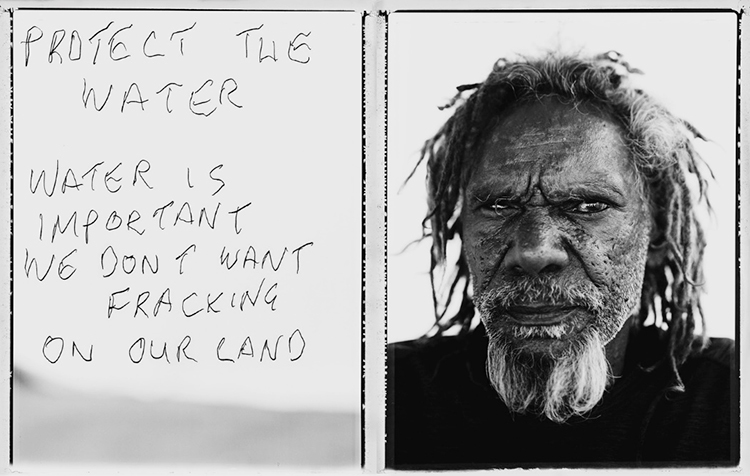
Finalist Bowness Photography Prize 2023
The collaborative Polaroid work featuring Putuparri Tom Lawford is a Finalist in the Bowness Photography Prize 2023.
The exhibition of the 66 Finalists works will be on display at the Museum of Australian Photography till 12. November 2023.
To view the exhibition online please klick here.
August 2022
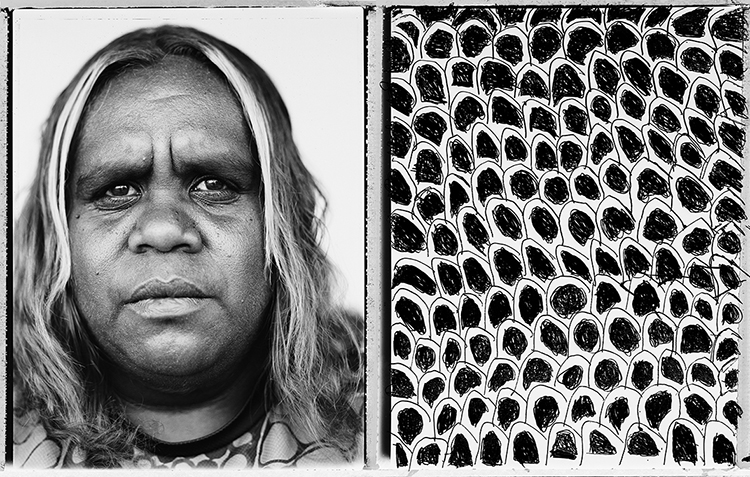
Nganana Tjungu - This is us exhibition
Ikuntji Artists collaborated with Photographer Tobias Titz to create a unique body of artworks featuring polaroid portraits accompanied by etchings by Ikuntji Artists.
The exhibition will be on display until 27 August 2022 at Songlines Gallery, Darwin Northern Territory.
To view the exhibition catalogue please klick here.
May 2021
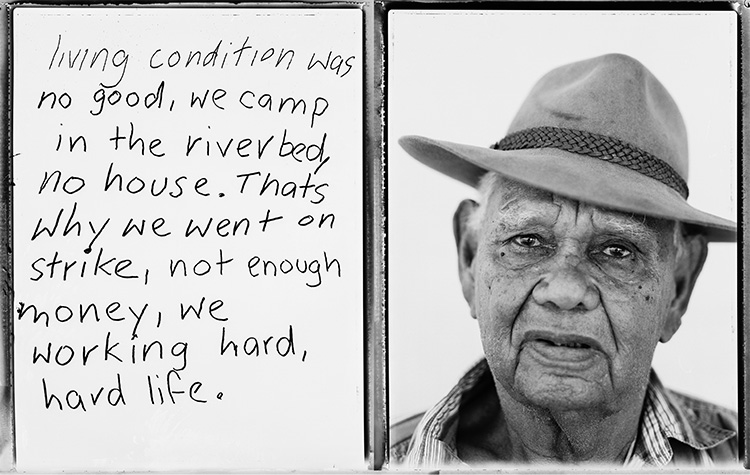
Lasting Legacy: 75th Anniversary of the Pilbara Strike Exhibition
On 1 May 1946 nearly 800 Aboriginal workers walked off the job on m ore than 25 pastoral stations across the Pilbara.
The Pilbara strike lasted three years, during which the strikers experianced such hardships this period became known as the starvation years. In the end, the Aboriginal workers prevailed and their demands for equal pay, better working conditions and freedom of movement were met. The legacy of the stike is still felt today, 75 years later.
Image above: Teddy Allen comments on the Pilbara strike.
May 2021
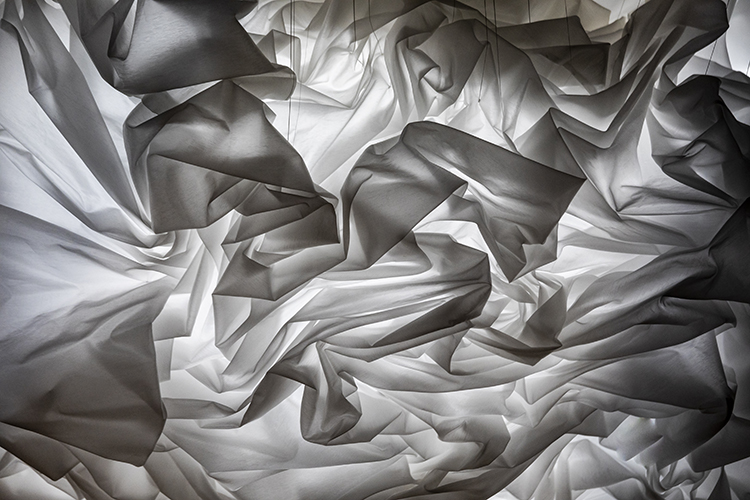
Photography for NGV and Danish artist Cecilie Bendixen
The National Gallery of Victoria and Danish artist Cecilie Bendixen commisioned Tobias to document Benedixen's installation 'Cloud formations', a skyscape of four large illuminated voluminous textile clouds.
December 2020
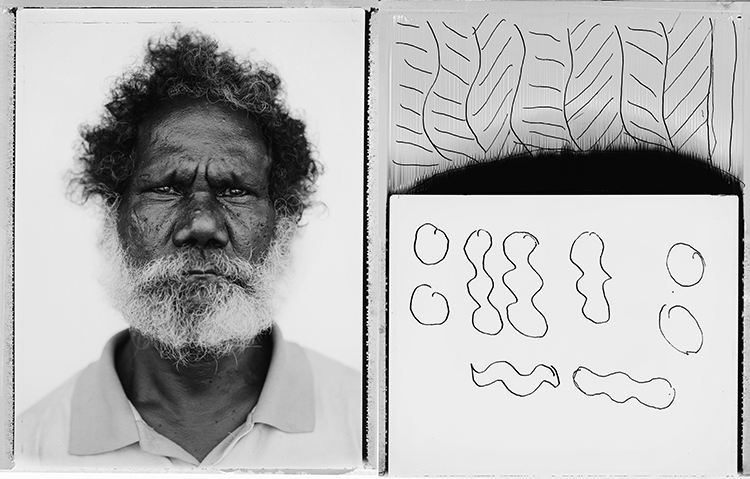
Finalist Taylor Wessing Portrait Prize, London
The collaborative work of Columbiere Tipungwuti and Tobias Titz is a finalist in the prestigious Taylor Wessing Portrait Prize 2020 at the National Portrait Gallery in London.
November 2020
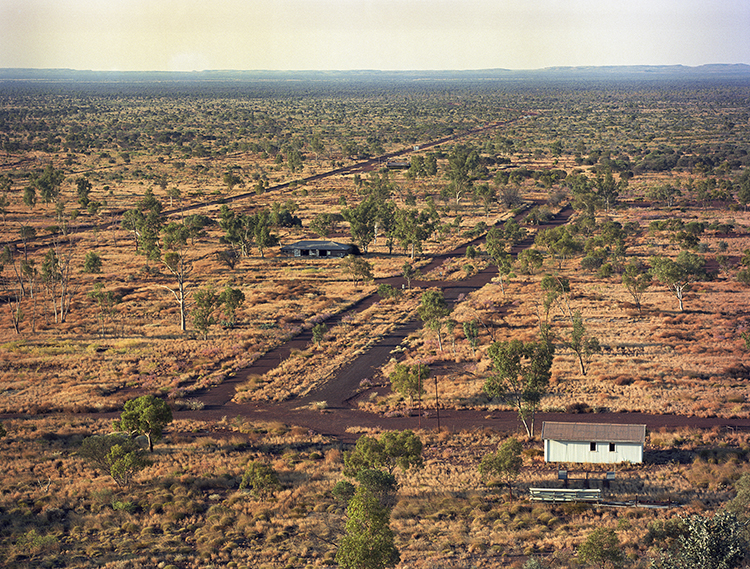
Wittenoom images at the new WA Museum Boola Bardip
A selection of Wittenoom images is on permanent display at the new Western Australian Museum Boola Bardip in Perth.
The Wittenoom images are part of the Changes exhibition which explores the culural, economic and social impacts of human engagement on our world.
For more information please click here.
September 2020
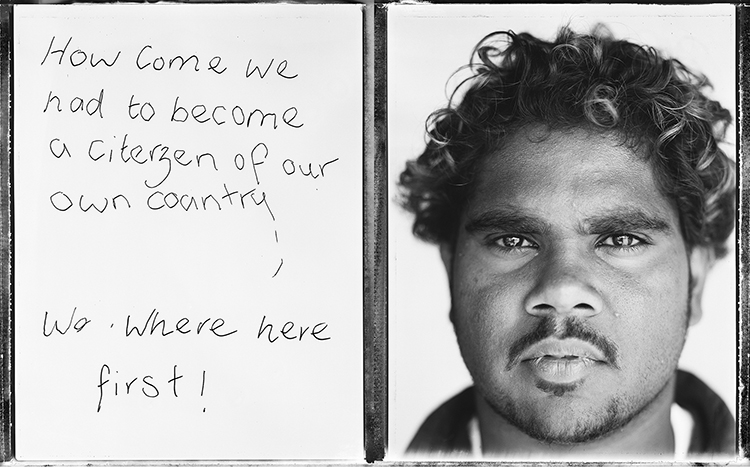
"From all points of the southern sky: Photography from Australia and Oceania"
Tobias is one of 13 artists represented in the group exhibition "From all points in the southern sky" at the Southeast Museum of Photography, Daytona, USA. The exhibition runs from September 22 - December 16.
Image above: Broadie Tittums comments on the 1967 Referendum.
For more information please click here.
April 2020
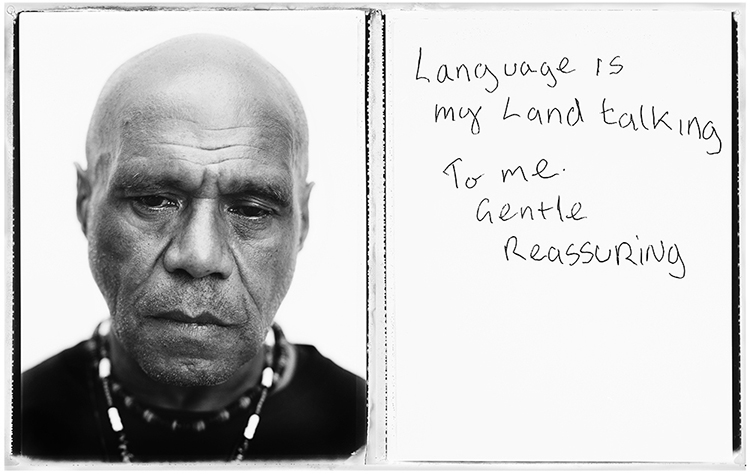
National Library acquisition
The National Library of Australia aquired the images of Archie Roach and Ruby Hunter for their permanent collection.
Januar 2020
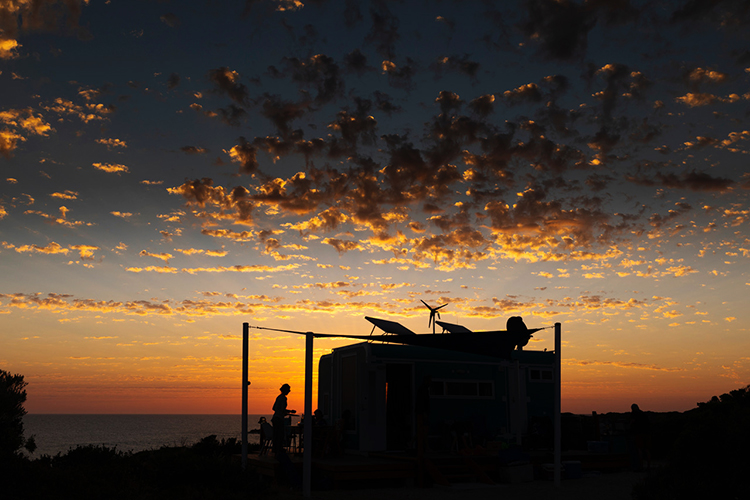
Gone fishing...
December 2019
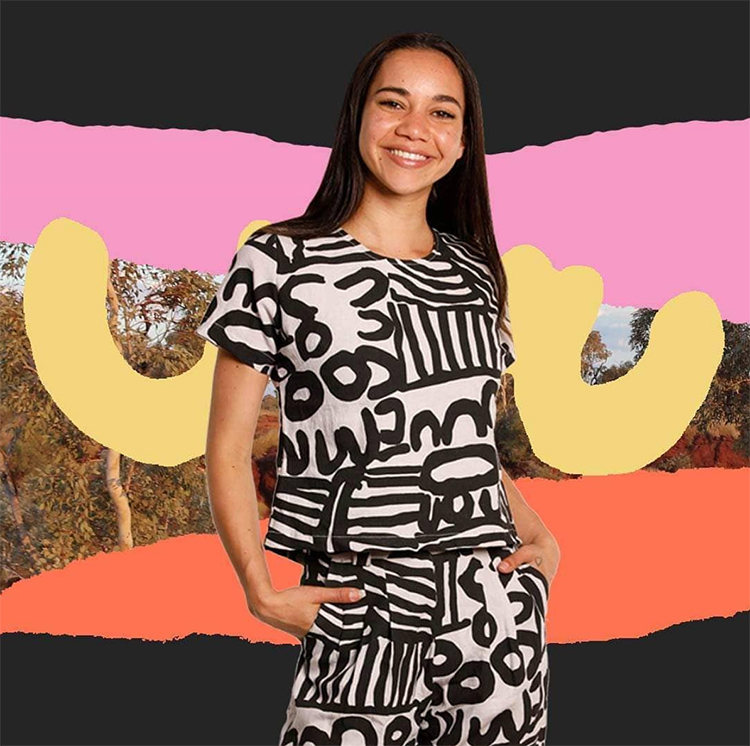
Magpie Goose Ikuntji Collection
Tobias was commisioned by Magpie Goose to photograph the new Ikuntji Artist Collection.
To view the collection please click here.
August 2019
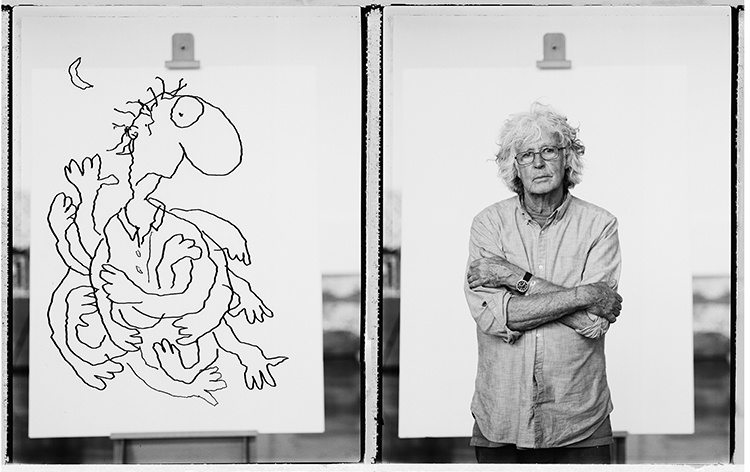
Martin Kantor Portrait Prize highly commended and Exhibition
Tobias's image of Michael Leunig received a highly commended at the Martin Kantor Portrait Prize 2019.
The exhibition with the works of all finalists is on display from 23 August - 20 October 2019 at the Ballarat Town Hall as part of the Ballarat International Foto Biennale.
May 2019
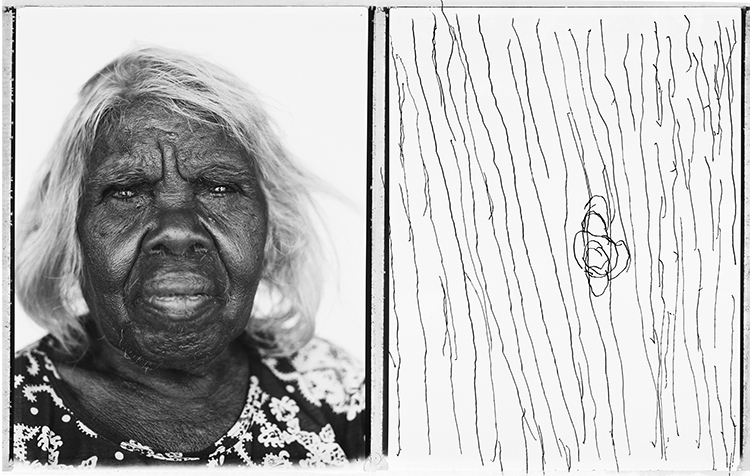
Nillumbik Prize for Contemporary Art - Finalists and Exhibition
Eunice Napanangka Jack and Tobias Titz have been named as finalists in the 2019 Nillumbik Prize for Contemporary Art for their collaborative work 'Kuruyultu'.
The exhibition with the works of all finalists is on display from 30 May - 21 July 2019 at the Barn Gallery in Montsalvat, Eltham.
For more information please click here.
April 2019
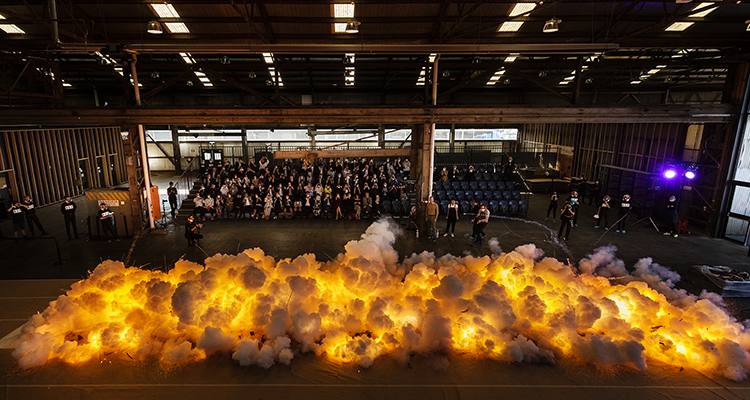
Cai Guo Qiang for the National Gallery of Victoria
Tobias was commissioned by the National Gallery of Victoria to document the creation of new works by Cai Guo-Qiang, one of China's foremost contemporary artists for the upcoming Melbourne Winter Masterpieces exhibition.
The exhibition is on display from 24 May - 13 October 2019 at the NGV International.
For more information please click here.
January 2019
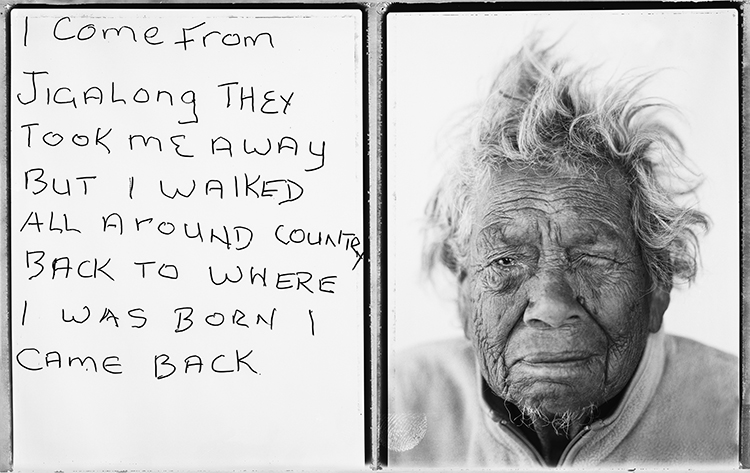
National Library of Australia acquires image of Daisy Kadibil
Tobias's image of Daisy Kadibil talking about her escape along the rabbit-proof fence was acquired by the National Library of Australia. Daisy Kadibil was a small child when she was taken away from her family as part of the Stolen Generations.
She and her sisters, Molly and Gracie, used the rabbit-proof fence to find their way back home to Jigalong from Moore River Native Settlement north of Perth, a journey of about 1600 kilometres.
December 2018
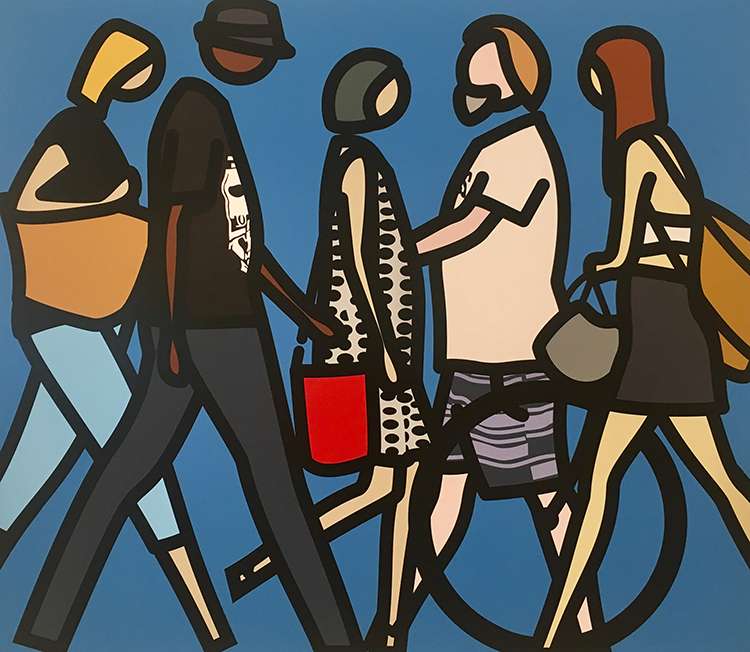
Photography for Julian Opie NGV
Tobias was commissioned by Julian Opie and the National Gallery of Victoria to take hundrets of photos of Melbournians in different parts of the city. These images helped Julian to create the Melbourne part of his current exhibition at the NGV.
The exhibition is on display till 17. February 2019.
For more information please click here.
October 2018
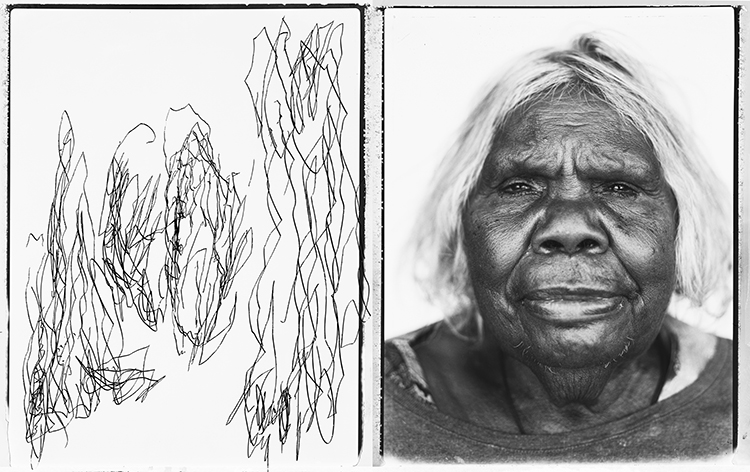
Collaboration with Ikuntji Arists
Tobias has collaborated with Ikuntji Artists in Haasts Bluff, NT to create a unique body of work.
Ikuntji Artists shared the image making process by etching images of country in the wet emulsion of the Polaroid 665 film.
This is Alice Nampijinpa - she recalls meeting a 'whitefella' for the first time when she was a young girl. He had a donkey and was on a sand dune in her country. Alice is a senior Ikuntji artist, teaching younger generations every day about the old ways.
Alice Nampijinpa - Takupalangu.
June 2018
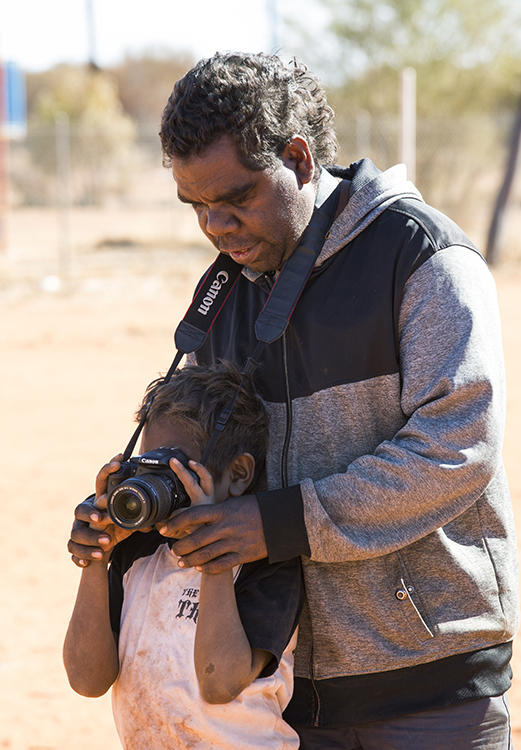
Photography workshops and videos with Ikuntji Artists
Tobias was commisioned by Ikuntji Artists to run Photography workshops and film videos of the artists in Haasts Bluff,NT.
This image shows Arts worker Anthony Peterson with his nephew Edmond capturing the action on the footy oval.
April 2018
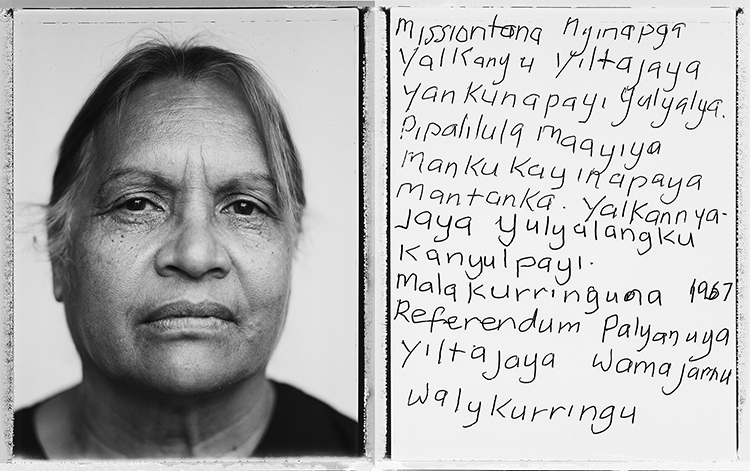
Moran Contemporary Photography Prize Finalist
Tobias's image of Edie Ulrich commenting on the 1967 Referendum was selected as a finalist in the 2018 Moran Contemporary Photography Prize. The exhibition with the works of the 24 finalists will be exhibited at Juniper Hall from 5. - 27 .May 2018.
Edie Ulrich wrote her comment in Tjupan language - this is the translation:
As a 10 year old child in the mission, I remember my people as proud, happy, healthy people; walking, talking, hunting and enjoying life and protecting their families. I went away for further schooling. Coming back I saw my people again after the 1967 Referendum. I remember thinking that they seemed like broken people.
For more information please click here.
March 2018
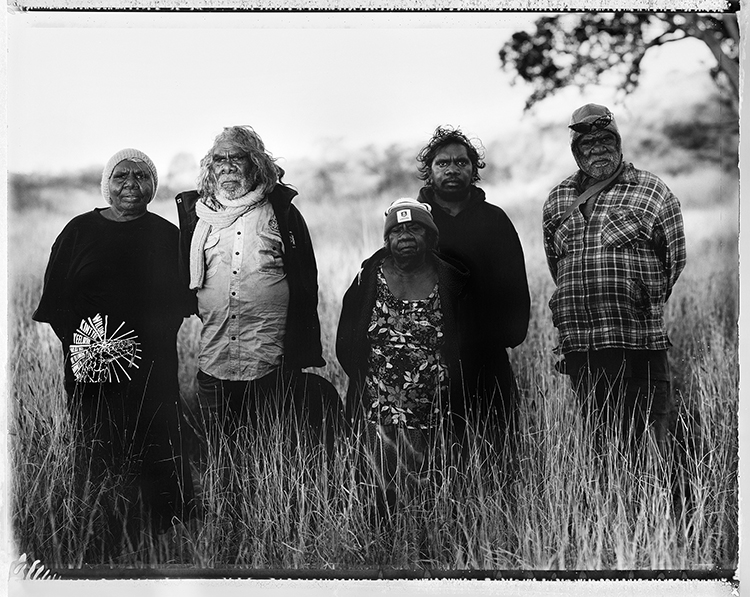
Polaroids 1998 - 2018 exhibition at the Fox Gallery
The Fox Gallery in Kensington presents the 20th anniversary exhibition of Tobias's Polaroid Project.
The exhibition features images from the beginning of the project in Germany to new influences in Australia.
image above: Members of the Taylor family at the Karlamilyi Walk.
For more information please click here.
July 2017
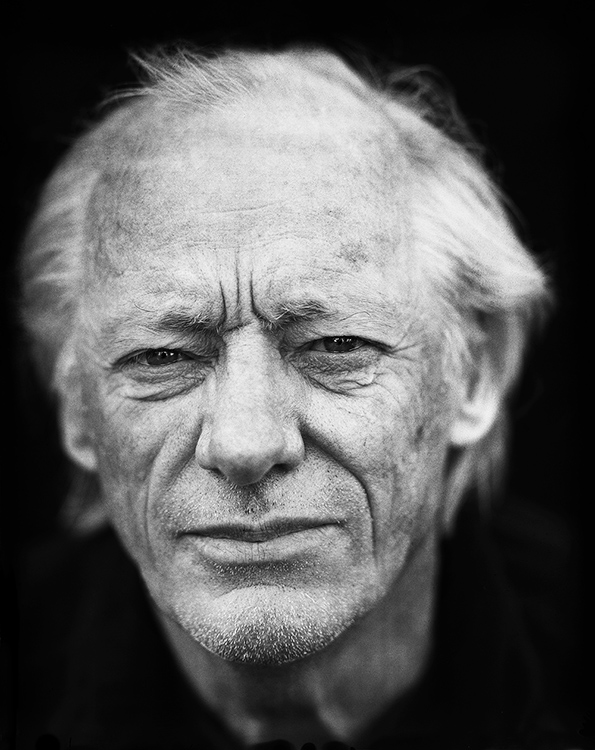
Martin Kantor Portrait Prize Finalist
Tobias's portrait of Andrew Chapman was selected as one of the Finalists in the inaugural Ballarat International Foto Biennale Martin Kantor Portrait Prize.
The exhibition will be displayed at the Ballarat Town Hall from 19 August - 17 September 2017.
June 2017
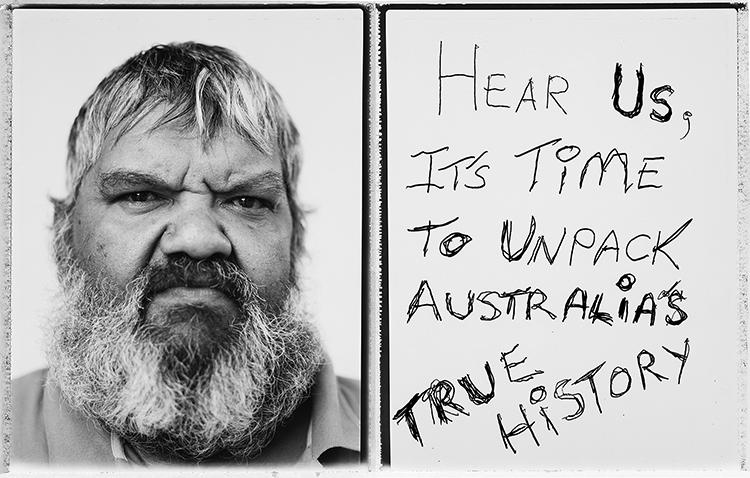
'Right to be Heard' exhibition
Tobias Titz, Goldfields Aboriginal Language Centre and Wangka Maya Pilbara Aboriginal Language Centre have collaborated with Indigenous community members from communities including Kalgoorlie, Menzies, Leonora, Tjuntjuntjarra, Port Hedland, Roebourne, Yandeyarra and Warralong, to create a body of photographs that articulate the communities thoughts, opinions and experiences regarding the 1967 Referendum.
The 'Right to be Heard' exhibition which is presented by the National Trust of Western Australia will be held in 57 Murray Street, Perth on 8th of July 2017 in the office which was the location of the Chief Protector of Aborigines for many years, including the office of A.O. Neville the Chief Protector who was notorious for his heavy handed treatment of Aboriginal people.
Image above: Leslie Schultz comments on the 1967 Referendum, Kalgoorlie 2017.
For more information about the project please click here.
April 2017
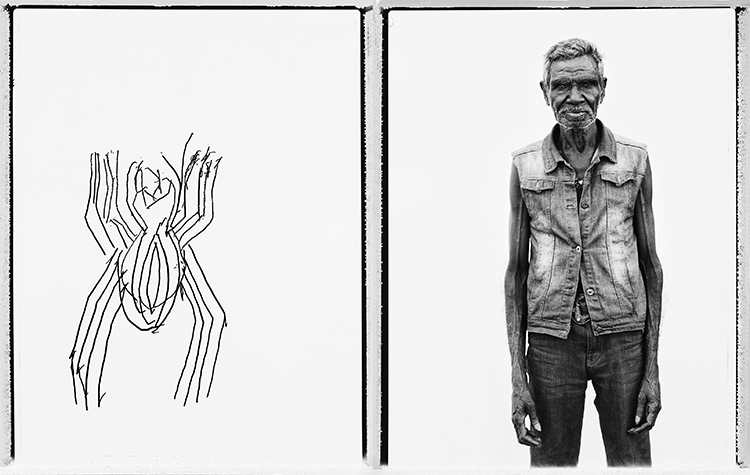
Art Handler's Award at the National Photographic Portrait Prize 2017
Tobias's portrait of Bobby Bunungurr has won the Art Handler's Award at the National Photographic Portrait Prize 2017.
The exhibition will be displayed at the National Portrait Gallery in Canberra from April to June and then will tour to a range of venues around Australia.
For more info please click here.
September 2016
Semi Finalist Moran Photographic Prize 2016
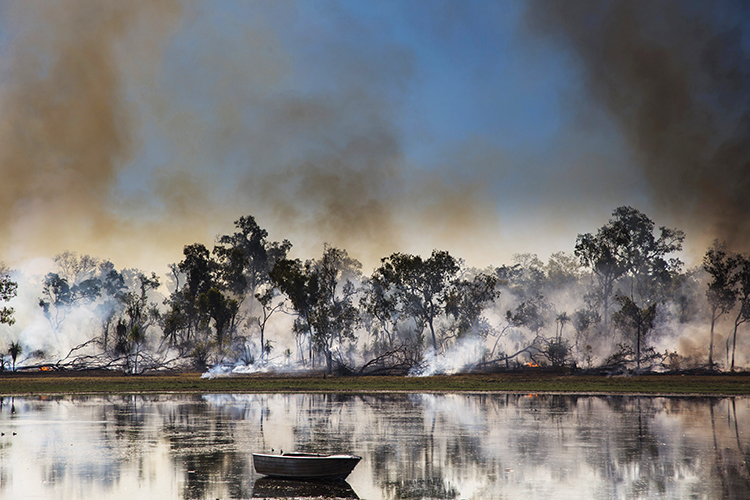
Tobias was selected as one of the semi finalists for this years Moran Photographic Prize.
For images and more info please click here.
August 2016
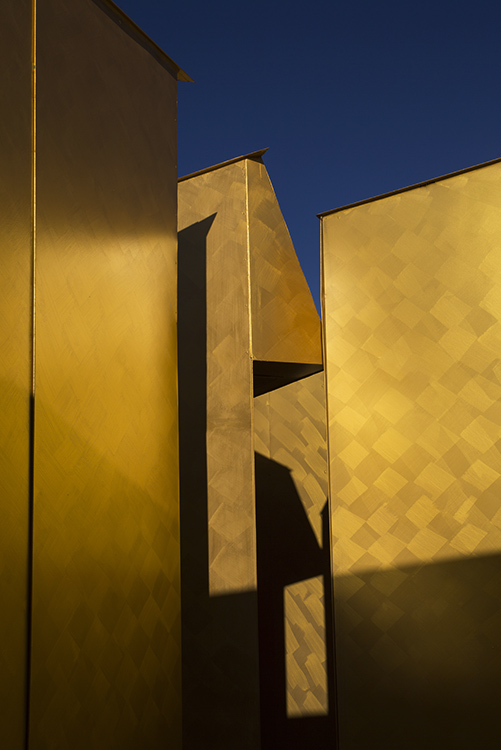
Glenn Murcutt - Architecture of Faith exhibition at NGV Australia
Tobias was comissioned by the National Gallery of Victoria to photograph the new Australian Islamic Centre at Hobons Bay, Melbourne, designed by renowned Australian architect Glenn Murcutt for the Exhibition Architecture of Faith.
This unique exhibition will be open daily till 19.February 2017.
For more images and infos please click here.
July 2016
Qantas Spirit of Australia Magazine
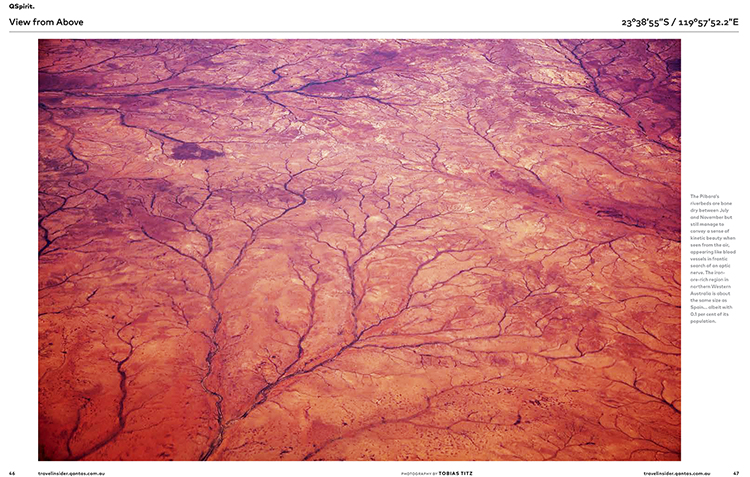
The current Qantas Spirit of Australia Magazine features Tobias's Aerial Landscape Photography of the remote Pilbara region in Western Australia.
June 2016
Karlamilyi Walk
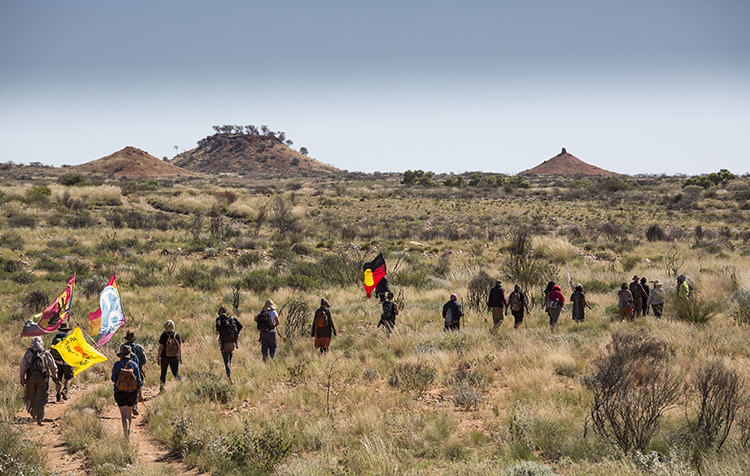
Tobias feels very privileged to have been invited by Martu elders to document the Karlamiliy walk in the remote Western Desert.
For more images and infos please click here.
April 2016
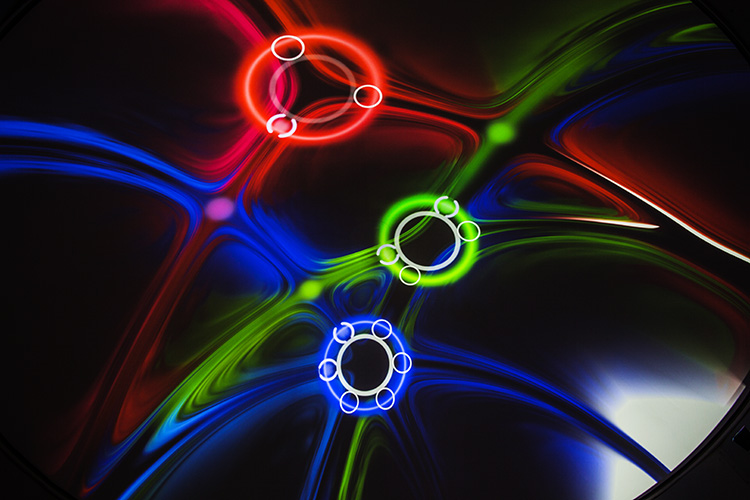
Design & Play
Tobias was commissioned by the RMIt Designhub to document the Design & Play exhibition featuring the experimental DomeLab a world-leading research project.
For more infos please click here.
March 2016
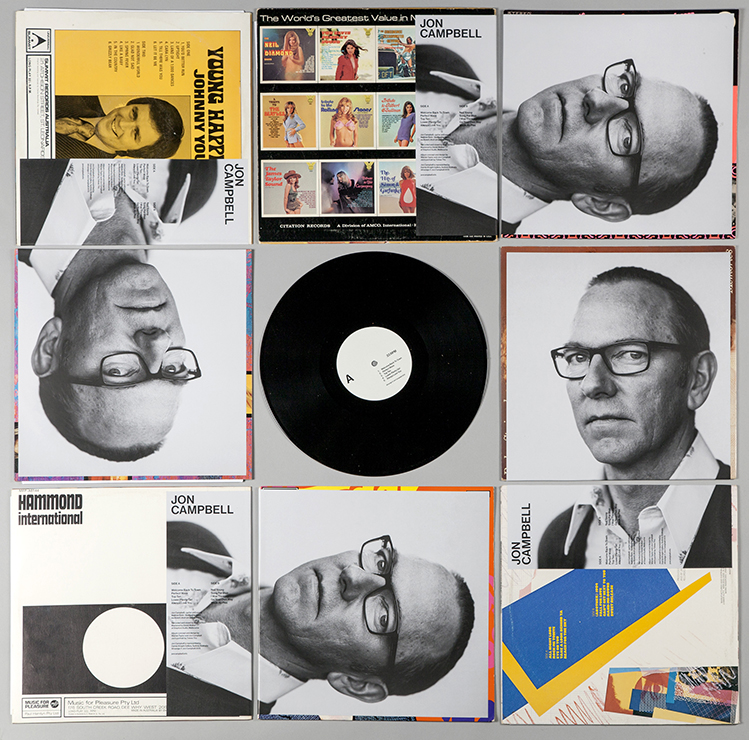
Jon Campbell LP
Tobias was commissioned to portrait Jon Campbell for his new Album which will be launched on the 10. March at the Spotted Mallard, 314 Sydney Road, Brunswick.
December 2015
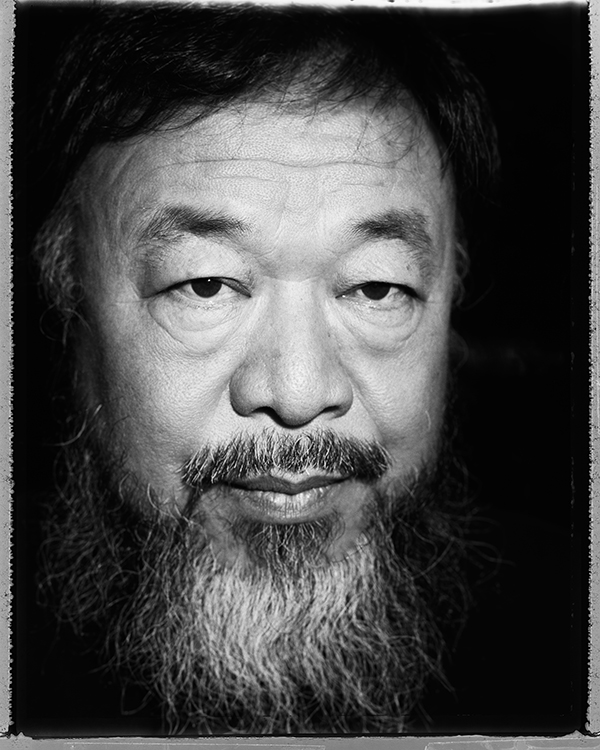
Andy Warhol - Ai WeiWei
Tobias was commissioned by the NGV International to document the Andy Warhol - Ai WeiWei's exhibition.
For more infos please click here.
November 2015
"Our Land is alive" NGV Australia Exhibition
The National Gallery of Victoria commissioned Tobias to photograph the Hermannsburger Potters for the interactive Kids exhibition Our land is alive. The Exhibition is on display at the NGV Australia at Federation Square until April 2016.
For more info please click here.
September 2015
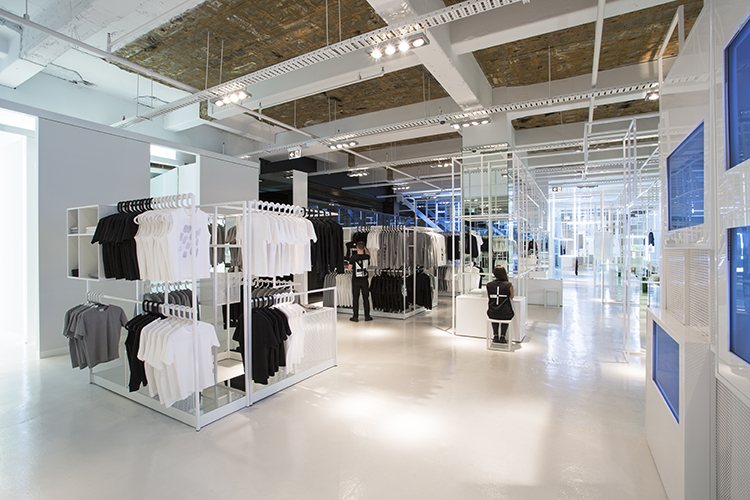
Sibling wins Premier's Award for Australian Interior Design
Tobias was commissioned by Sibling to photograph the Dust multi-sensory concept store.
For more infos please click here.
August 2015
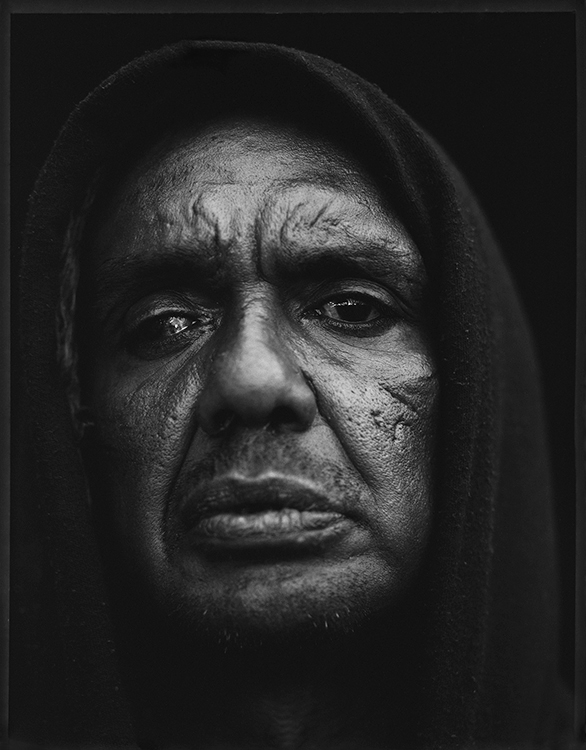
Highly commended, Olive Cotton Award for Photographic Portraiture 2015
Tobias's portrait of Christopher Bates has been highly commended at the Olive Cotton Award for Photographic Portraiture 2015.
The exhibition with the works of the 82 finalists will be displayed until 27 September at the Tweed Gegional Art Gallery Murwillumbah, NSW.
For more infos please click here.
July 2015
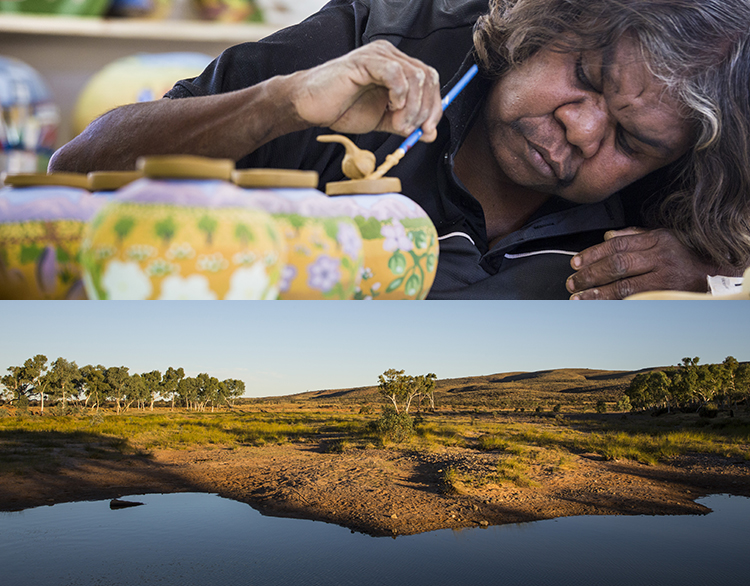
Hermannsburger Potter for NGV Magazine and Exhibition
Tobias was commissioned by the National Gallery of Victoria to photograph the Hermannsburger Potters for the current issue of the Gallery Magazine. The Photographs will also feature in the upcoming interactive Kids program and exhibition Our land is alive
in September 2015.
For more info please click here.
July 2015
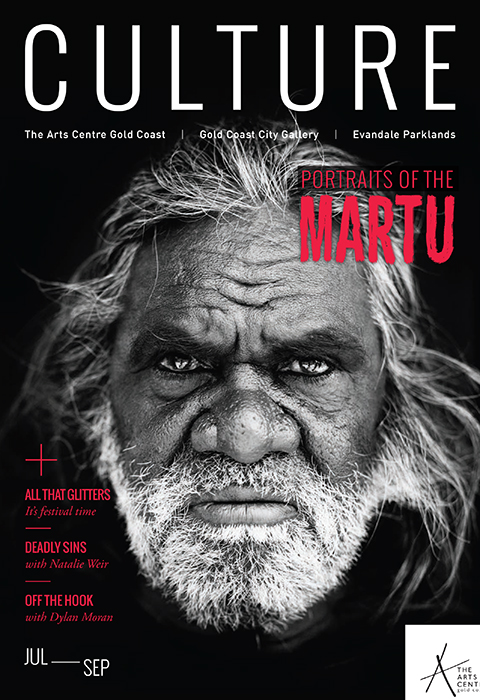
Portraits of the Martu at Gold Coast Arts Centre
Tobias's portraits of the Martu are part of the We don't need a map exhibition which brings the desert to the city to celebrate the lively and enduring culture of the Martu - the traditional owners of a vast area of WA's Western Desert. This remarkable exhibition includes the work of more than 30 artists and is an exploration of the Martu people, their way of life, the way they care for country and belong to it.
As well as illustrating the distinct contemporary visual language of the Martu, this landmark event breaks down barriers by bringing together Martu and other artists to collaborate and exhibit together.
For more info please click here.
June 2015
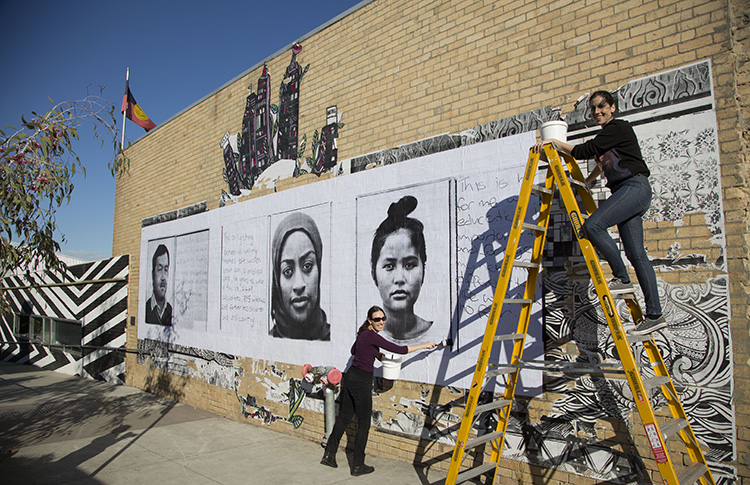
Beyond Borders paste up at Footscray Community Arts Centre
MAPgroup’s Beyond Borders documents the unique experiences of asylum seekers and refugees seeking a safer life under exceptionally challenging circumstances. Showcasing Polaroid portraits created by Tobias in collaboration with refugees
and asylum seekers. Presented by Footscray Community Arts Centre in association with MAPgroup,
as part of Refugee Week 2015 at FCAC.
For more info please click here.
May 2015
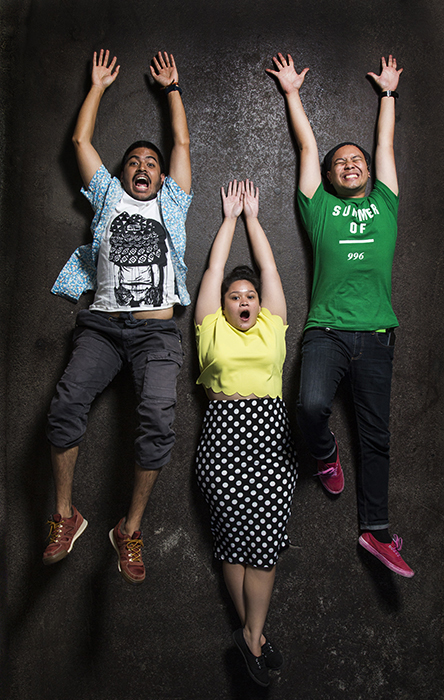
Tromarama for NGV Magazine
Tobias was comissioned by the National Gallery of Victoria to photograph indonesian contemporary art collective Tromarama
for the current NGV Magazine.
For more infos please click here.
May 2015
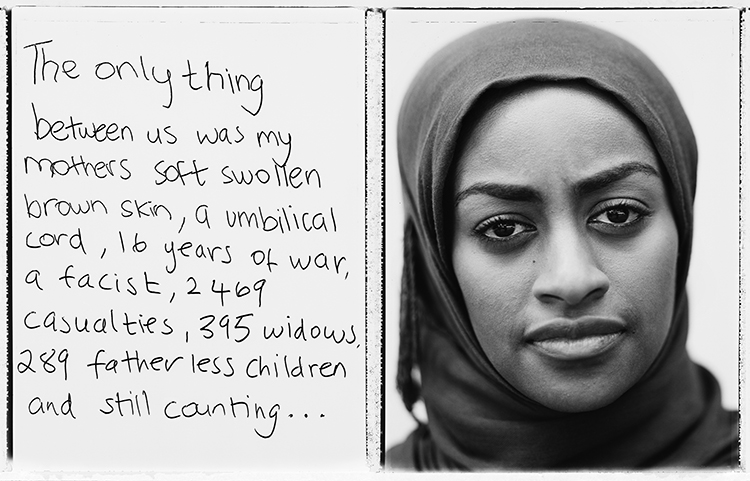
Head-on Portrait Prize Finalist and Beyomd Borders Exhibition
Two works by Tobias feature in this years Head-on Photo Festival in Sydney.
The image of Daniel and David Wilfred is a finalst in the Head-on Portrait prize at the Museum of Sydney and a
multimedia
work feauturing Walat Barka, a refugee from Eritrea, is part of the Beyond Borders screening at Sydney's Lower Town Hall.
For more infos please click here.
February 2015
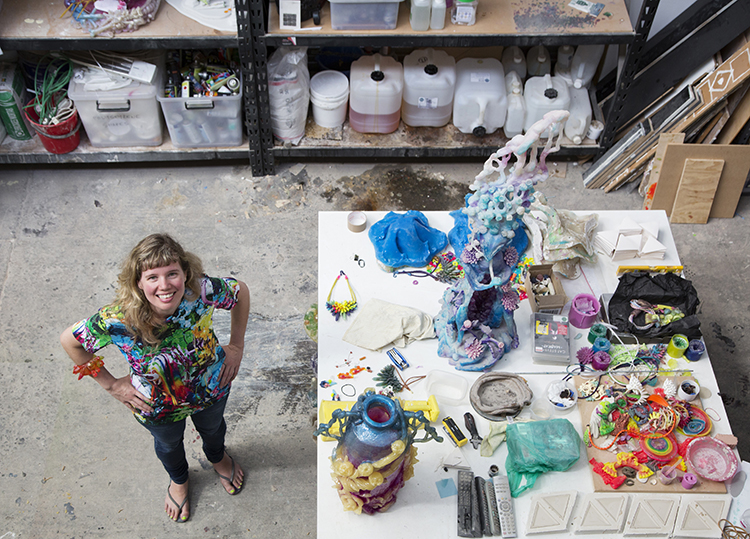
In Studio with Kate Rohde for NGV Gallery Magazine
Tobias was commissioned by the National Gallery of Victoria Magazine to portrait artist Kate Rohde for the "In Studio"
section of the current issue.
January 2015
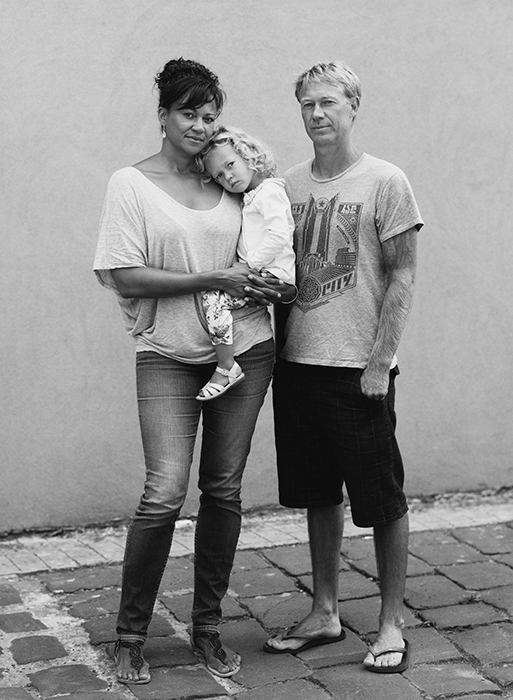
Sueddeutsche Zeitung Magazin
The Sueddeutsche Zeitung Magazin (Germany) commissioned Tobias to portrait Aminah Hart, Scott Andersen
and their daughter Leila.
To view the article please click here.
December 2014
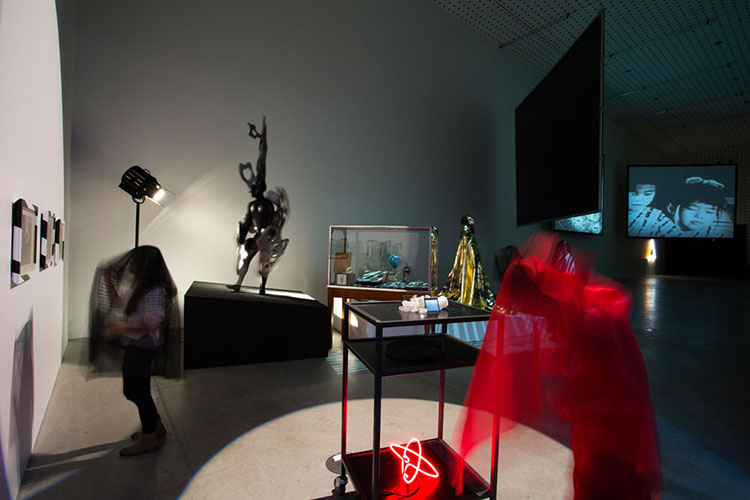
De Anima by Brook Andrew
Tobias was commissioned by the RMIT Designhub to document the current exhibition De Anima by Brook Andrew.
For more infos please click here.
October 2014
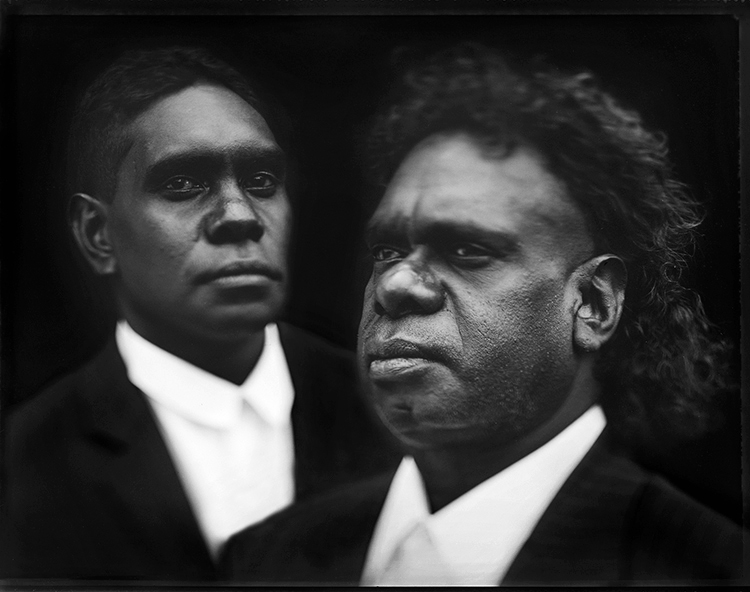
Finalist Moran Contemporary Photographic Prize 2014
Tobias's portrait of Daniel and David Wilfred has been selected as a Finalist in the Moran Contemporary Photographic Prize 2014.
The exhibition with the works of the 30 finalists will be displayed from the 28.October 2014 at Juniper Hall, 250 Oxford Street, Paddington Sydney.
For more infos please click here.
June 2014
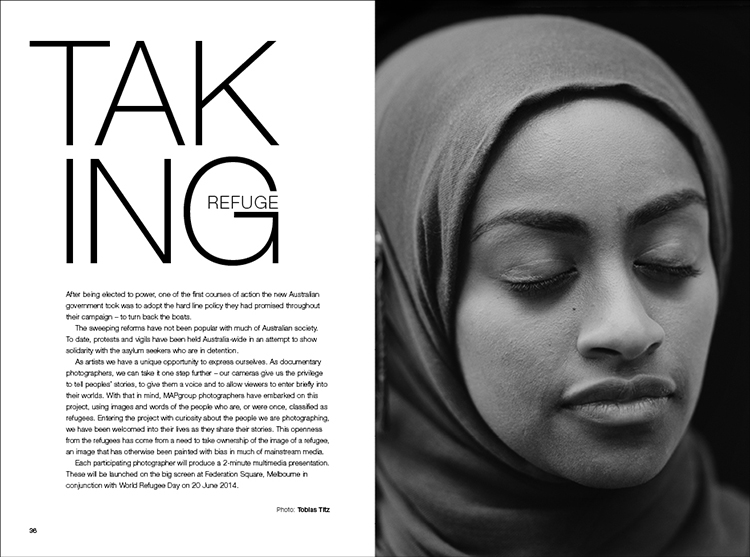
MAP Refugee Project
As a member of the MAP Documentary Photographers Group Tobias participated in the most recent project about Refugees in Australia. The aim of the project is to give refugees a voice and share their stories.
Each participating photographer will produce a multimedia presentation which will be launched on the big screen at Federation Square , Melbourne in conjunction with World Refugee Day on 22 June 2014.
For more infos please click here.
May 2014
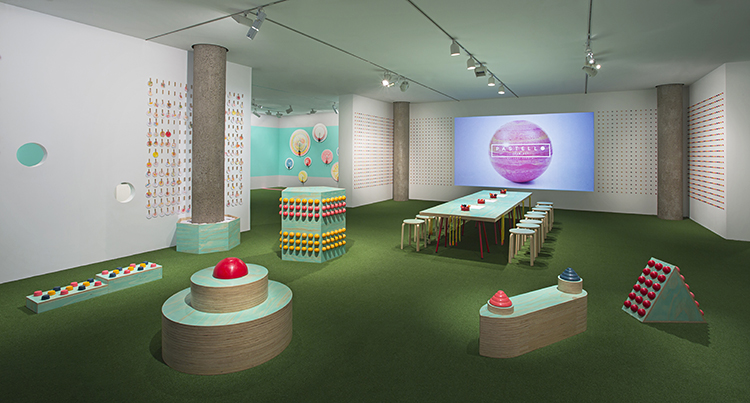
Pastello: Draw Act at NGV
The National Gallery of Victoria and italian multi-disciplinary design firm Mathery Studio commissioned Tobias to document the immersive Kids Space Pastello: Draw Act. Children are invited to use their bodies to draw with their heads, feet and of course hands using crayon spheres and other unusual tools. They can be vigorous or considered to make their unique mark.
Pastello: Draw Act is on display in the Children's gallery at NGV International until August 31, 2014.
For more infos please click here.
April 2014
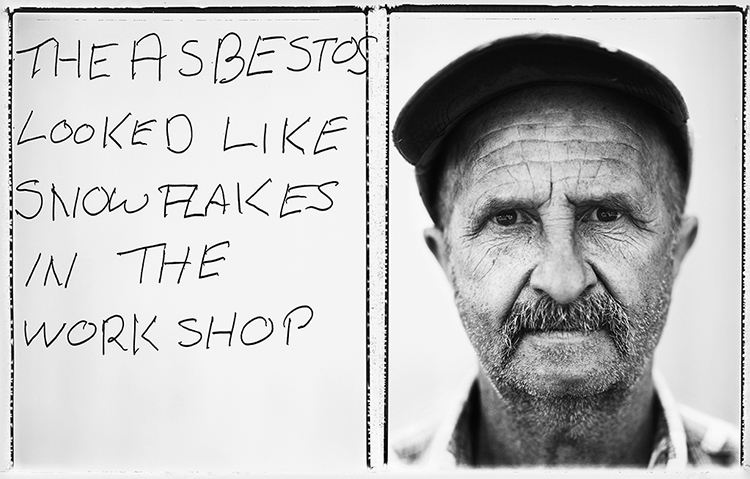
Iris Award Finalist
Tobias's image of Raymond Kerry commenting on Asbestos is a finalist in the Iris Award 2014.
The 31 finalists will be exhibited at the Perth Centre for Photography from 9 May till 9 June 2014.
For more infos please click here.
January 2014
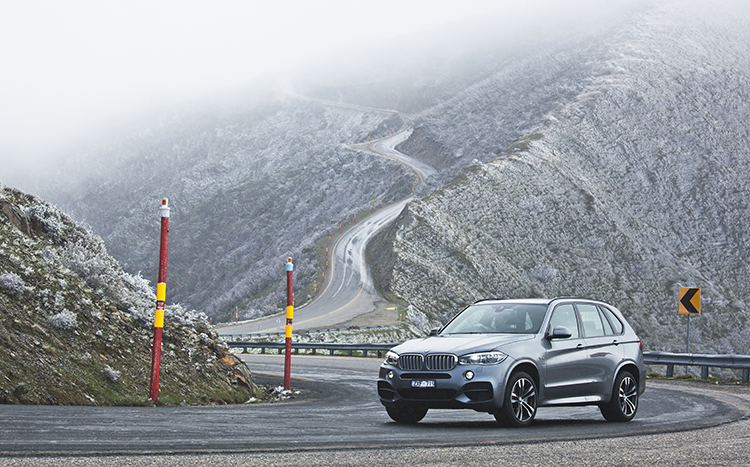
BMW Magazine
Tobias had lots of fun shooting the new X5 on the Great Alpine Road for BMW Magazine Germany.
Check the current BMW Magazine for the 25 most thrilling roads in Asia and Australia.
December 2013
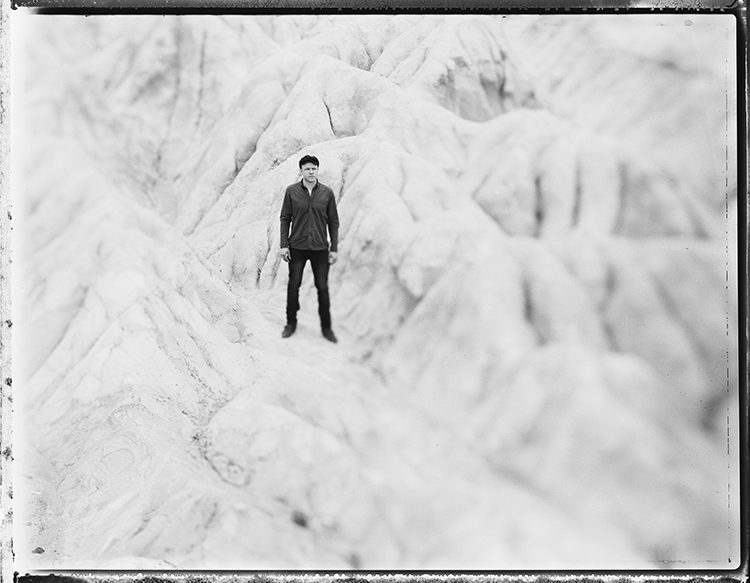
Liam Gerner
Tobias was commisioned to take portraits of Melbourne musician Liam Gerner. His new album "Land of No Roads" will be released in December 2013.
For more information please click here.
November 13
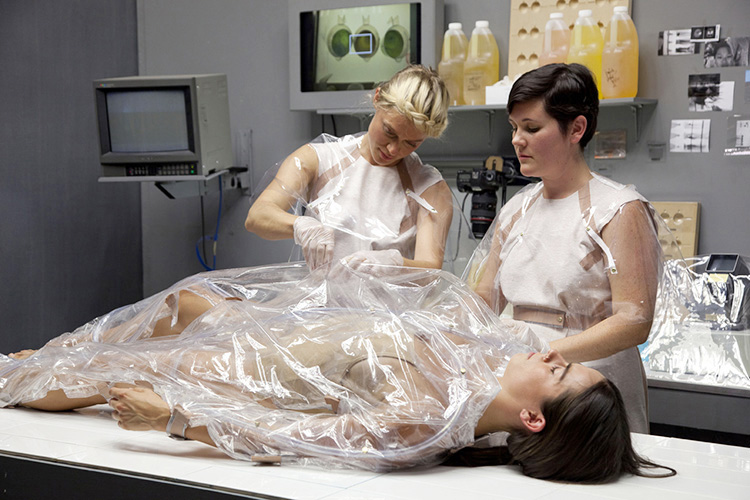
Melbourne Now
Melboune Now is an exhibition unlike any other at the National Gallery of Victoria. It takes as its premise the idea that a city is significantly shaped by artists, designers, architcts, choreographers, interlectuals and community groups that live and work in its midst. Tobias photo of Lucy McRae's 'Swallable Parfum' project features in the Melbourne Now publication.
For more information please click here.
July 2013
Olive Cotton Award Finalist
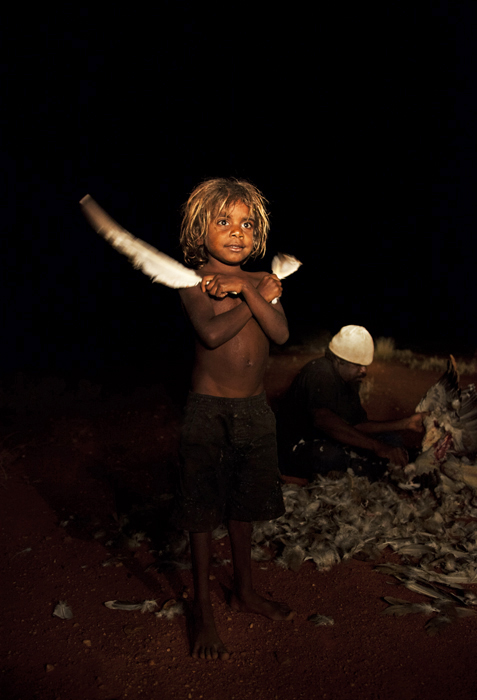
Tobias's image of Nathaniel and Neville Taylor has been selected as a finalist in the Olive Cotton Award 2013.
The exhibition will be shown at the Tweed River Art Gallery, Murwillumbah NSW, from 9 August to 29 September.
For more information please click here.
May 2013
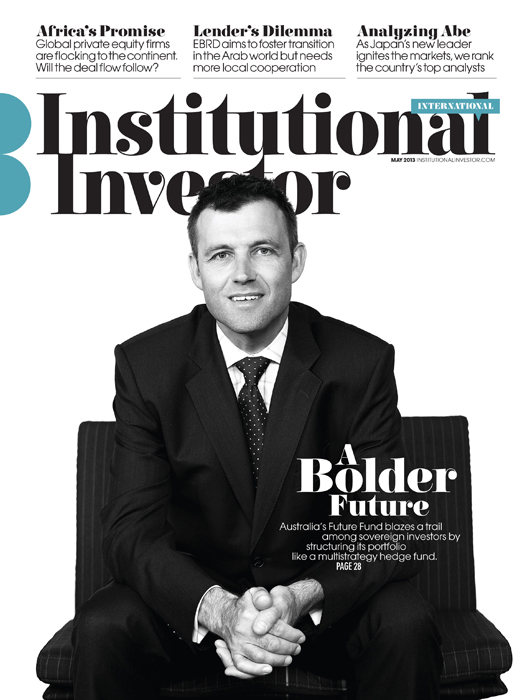
Cover Story for New York's Institutional Investor Magazine
Tobias was commissioned by the Institutional Investor Magazine to shoot their current Cover Story featuring
the people behind Australia's Future Fund.
To view these and more new publications please click here.
March 2013
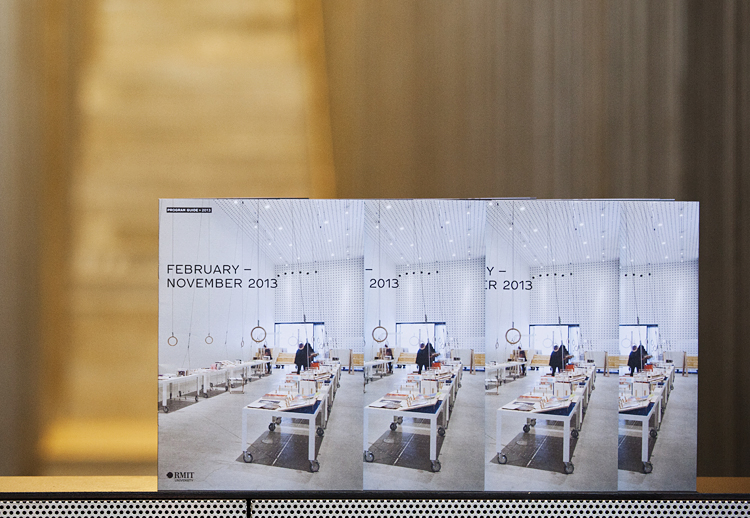
New Publications: RMIT Design Hub, HochTief and Groenlinks Magazine
Tobias was commissioned by the RMIT Design Hub and German Company HochTief to shoot for their publications.
One of his Australian Outback images features on the cover of dutch magazine Groenlinks.
To view these and more new publications please click here.
January 2013

Hasselblad Masters Award Finalist
Tobias is a Finalist in the 2014 Hasselblad Masters Award.
The Hasselblad Masters Award is one of the most prestigious awards in the industry,
celebrating the best in both established
and rising photographic talent. Masters Awards are given in recognition of a photographers's contribution to the art of photography and are judged on overall photographic ability, encompassing creativity, composition, conceptual strength and technical skill.
For more information and on-line voting please click here.
November 2012
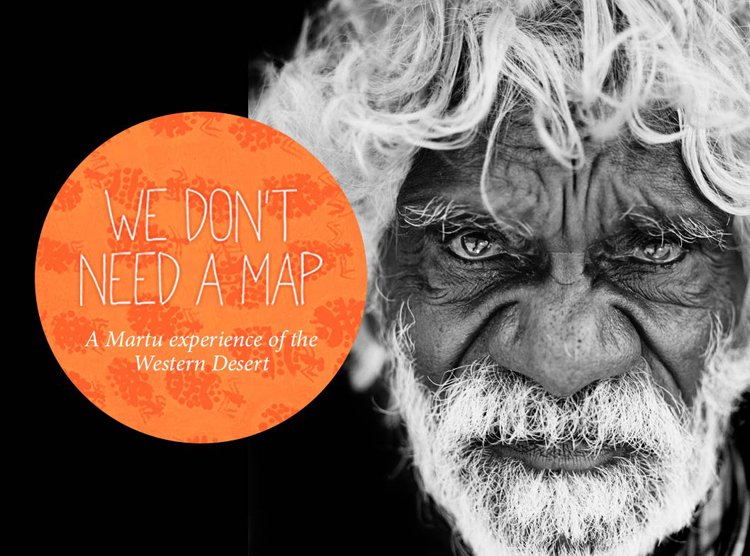
WE DON'T NEED A MAP exhibition at the Fremantle Arts Centre
We don't need a map brings the desert to the city to celebrate the lively and enduring culture of the Martu - the traditional owners of a vast area of WA's Western Desert. This remarkable exhibition includes the work of more than 30 artists and is an exploration of the Martu people, their way of life, the way they care for country and belong to it.
As well as illustrating the distinct contemporary visual language of the Martu, this landmark event breaks down barriers by bringing together Martu and other artists to collaborate and exhibit together.
For more info please click here.
September 2012
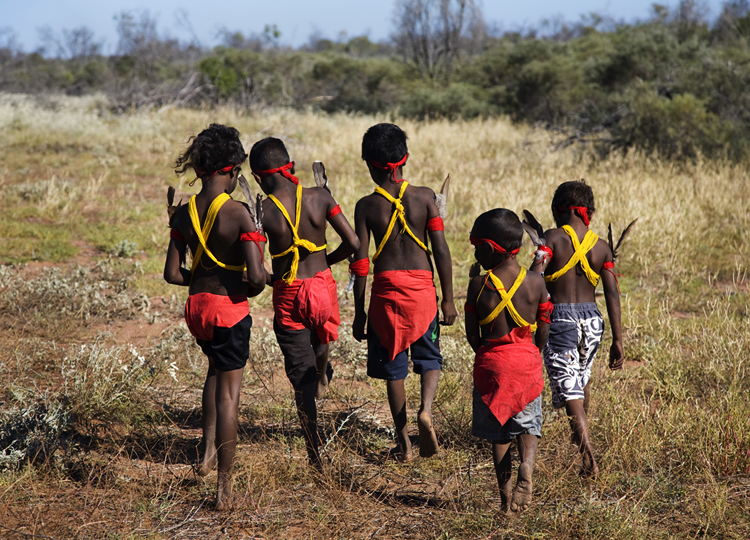
Marnti Warajanga Exhibition Winner of MAGNA 2012
The Marnti Warajanga Exhibition is the winner of the Museums & Galleries National Awards 2012 in the temporary exhibition category. Judges comments are: 'Judges felt that this project was outstanding in its treatment of its subjects. It was focused, probing and inovative. They especially appreciated the project's degree of consultation with Indigenous people and community representatives on important aspects of social memory and Indigenous activism, and the connection and interweaving of these stories and memories with powerful strands of Australia social history in the cause of voices from the whole of Australian experience contributing to and deepening an understanding of 'democracy' as underpinning the museum's mission.'
For more info please click here.
July 2012
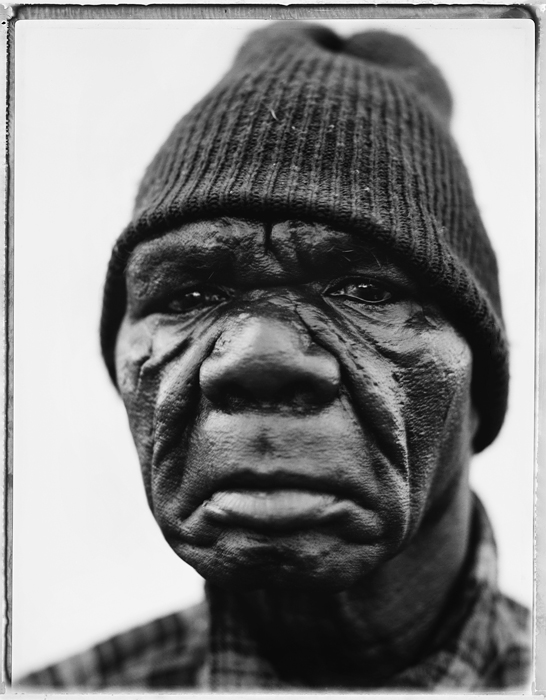
Winner of the Moran Contemporary Photography Prize 2012
Tobias's image of Noel Charlie is one of the 4 joint winners of the Moran Contemporaray Photography Prize 2012.
The exhibition will be displayed from 25th July to 9th October 2012 at the Moran House, 13-15 Bridge Street, Sydney.
For more info please click here.
April 2012
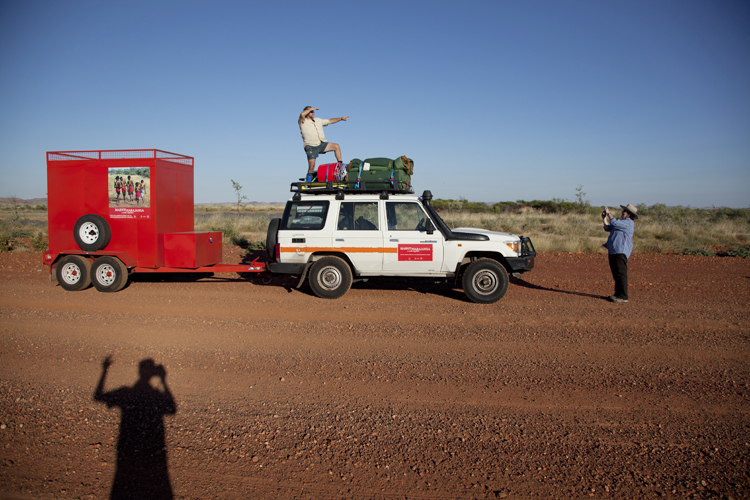
Perth Exhibition and Pilbara Tour
The 'Marnti warajanga - a walk together' exhibition will be on display in Central Park, Perth from the 13.-30.April.
In May and June the exhibition expands into a major travelling project touring to five communities in the Pilbara.
The project consists of the redeveloped exhibition, photography workshops and community events.
To check tour updates and participate please click here.
Januar 2012
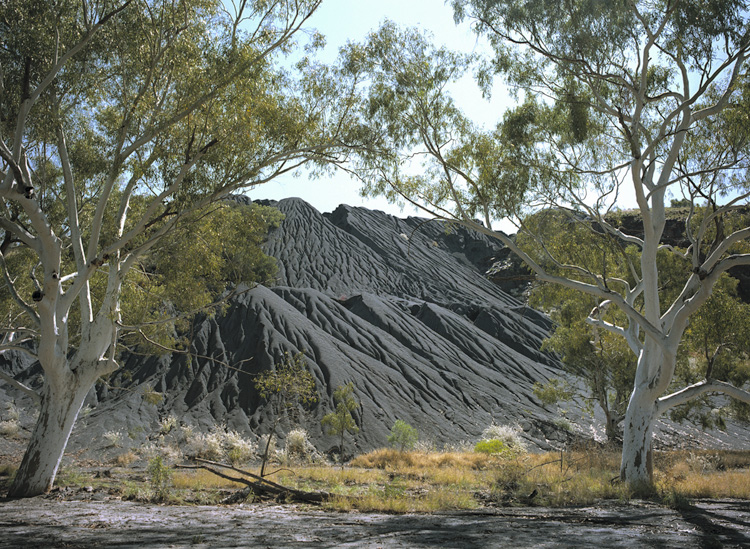
Wittenoom Project
In outback Wittenoom, life is becoming increasingly insular. The government claims this ex-asbestos mining town is polluted, attempting to shut the town down by bulldozing buildings and cutting off power. Now nature is taking over. Yet eight determined residents of the once boom-town remain.
To view the images please click here.
December 2011
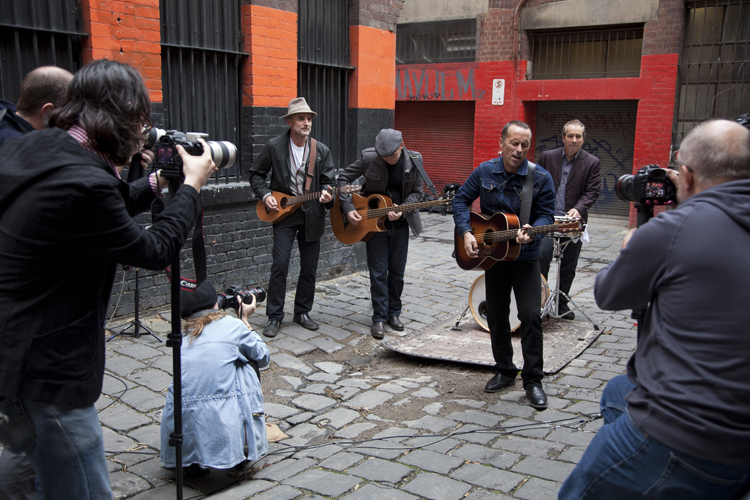
MAP Group 'Sidestreets & Laneways' Exhibition
Map Group's latest exhibition 'Sidestreets & Laneways' is now open at the Old Treasury Building, Spring Street Melbourne until
31 January 2012. The exhibition is open Sunday to Friday 10am - 4 pm.
For more info please click here.
September 2011
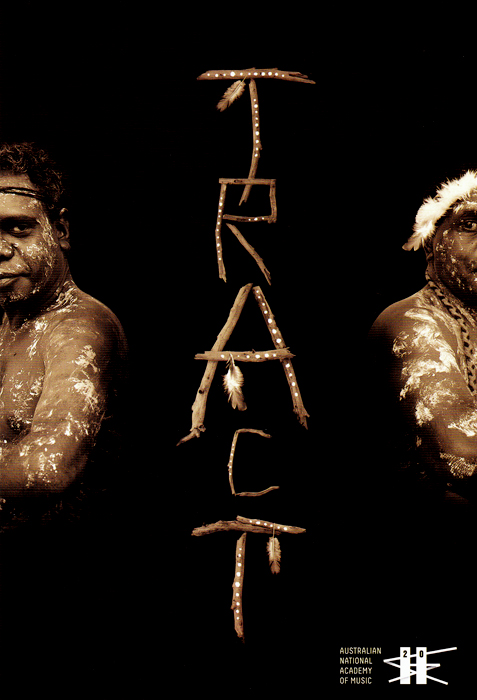
Tract Fri 2 & Sat 3 September Malthouse Theatre Melbourne
Realised by Composer-Violinist Erkki Veltheim, Trakt is an inspired collaboration between the Young Wagilak Group from South -East Arnhem Land, The Australian Art Orchestra and performed for the very first time in Melbourne with the musicians from the Australian National Academy of Music.
For more info please click here.
August 2011
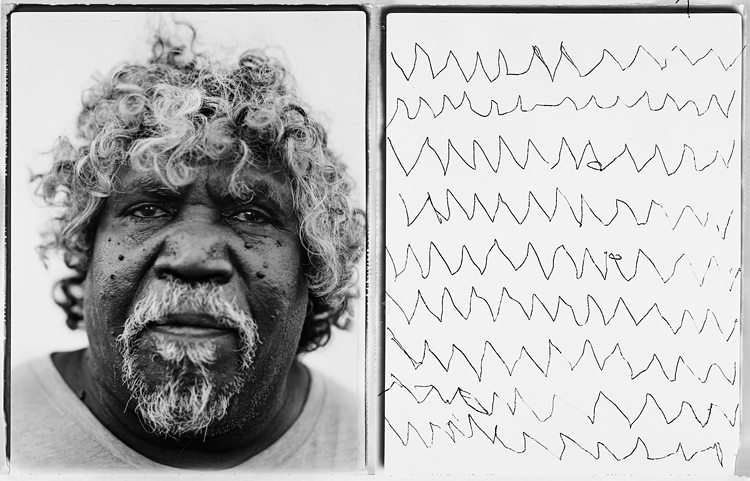
Congratulations to Bobby West Tjupurrula
Papunya Tula Artist Bobby West Tjupurrula won the 2011 Telstra General Painting Award in the 28th Telstra National Aboriginal and Torres Strait Islander Art Award.
For mor info please click here.
July 2011
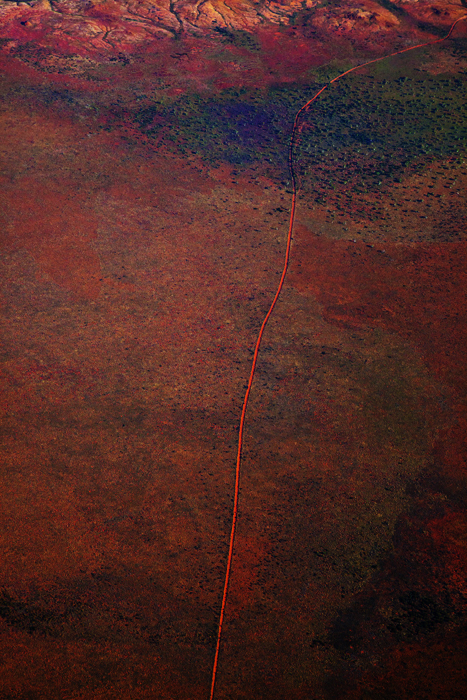
Pilbara trip and new Martumili Artists images
In July Tobias visited the remote communities of Kunawarritji and Punmu in the Western Desert to continue his collaboration with Martumili Artists.
To view images please click here.
May 2011
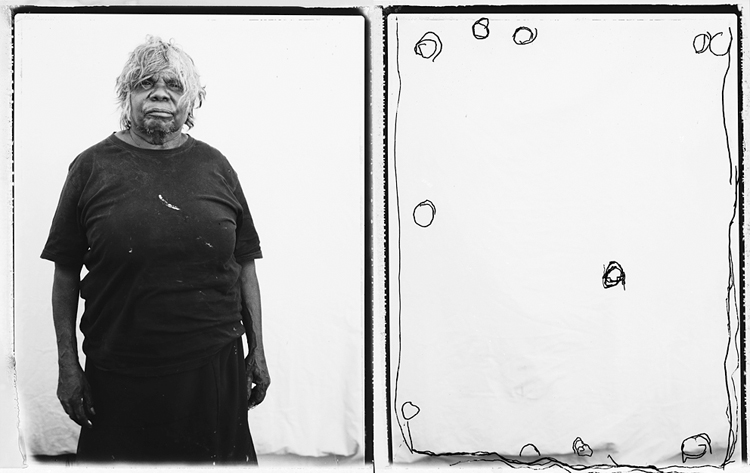
Martumili Artists (Photographic Encounters between Germany and Australia)
Exhibition in the Goethe Institute Sydney as part of the Head on Photo Festival 2011
27.04.2011 - 22.07.2011 Please join Tobias for the Official Opening Event on Monday 16 May, 6.30pm.

April 2011
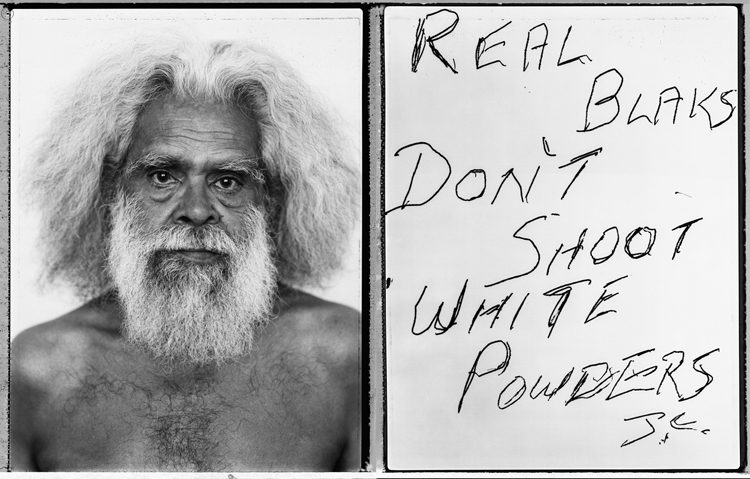
Picture This Photographic Prize and Exhibition
Tobias's image of Jack Charles commenting on addiction has been selected as a Finalist in the 2011 Picture This Photographic Prize and Exhibition at Brunswick Street Gallery 322 Brunswick St, Fitzroy. The Exhibition opens Fri 15 April 2011 at 6pm and runs 15 - 28 April 2011
March 2011
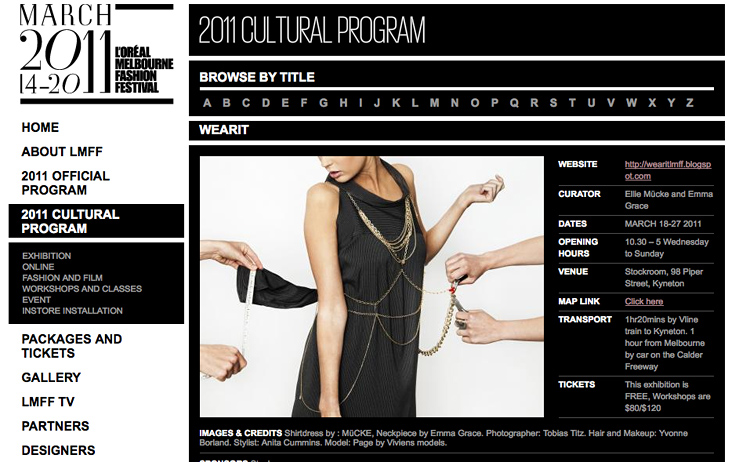
Melbourne Fashion Festival 2011
Tobias' clients Ellie Muecke and Emma Grace hold a sustainable fashion and jewlery workshop as part of the Cultural Program of the 2011 Melbourne Fashion Festival.
December 2010
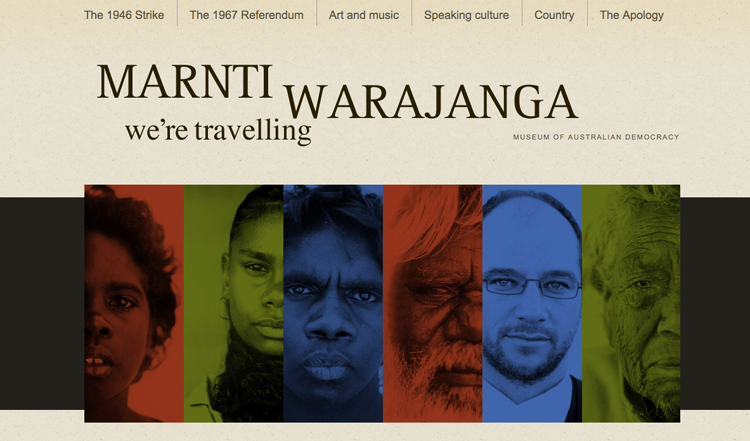
Marnti Warajanga Website online
The exhibition, featuring Tobias’ work, is on display in the Museum of Australian Democracy in Old Parliament House Canberra till November 2011. Click here to view the website.
December 2010
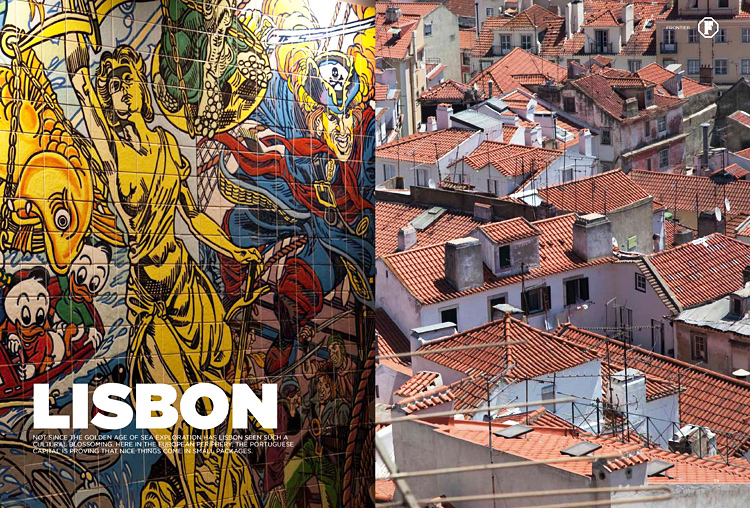
Monument 100th Issue Landmark Edition
In the current edition of Monument Magazine you can check out the new generation of diverse and dynamic design and architecture talent from Lisbon. The story was captured by Tobias on his latest trip to Europe in August.
October 2010

Unlimited: Designing for the Asia Pacific
Tobias was commissioned to document the Unlimited Design Festival in Brisbane, Australia.
August 2010
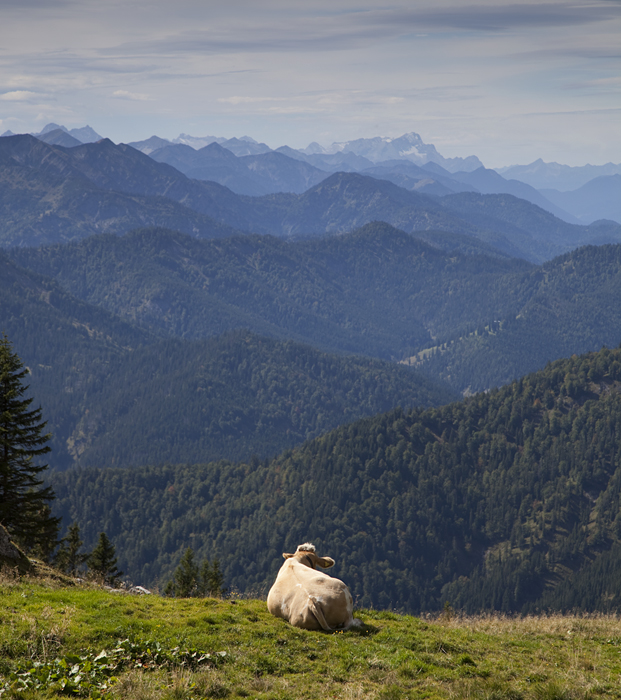
In the Mountains
Taking some time out in Upper Bavaria
July 2010
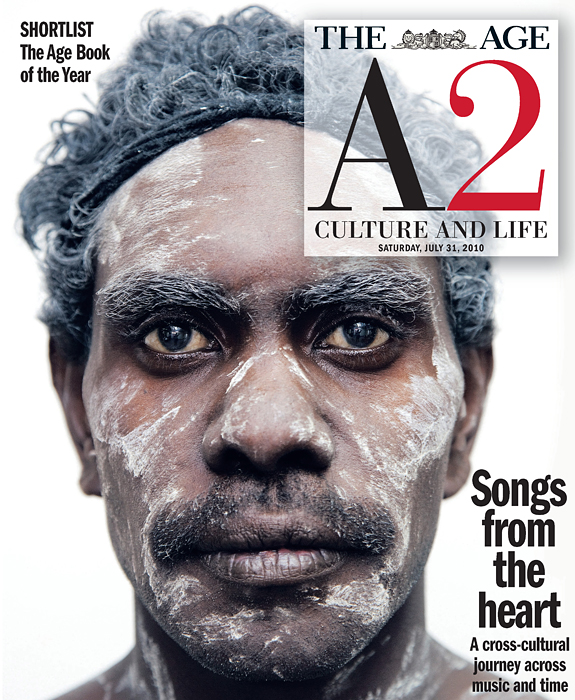
Feature in A2, The Age
Tobias' Crossing Roper Bar photographs feature in Liza Power's article "Crossing
the divide", The Age, A2, Saturday July 31, 2010. Click here to download full article
July 2010
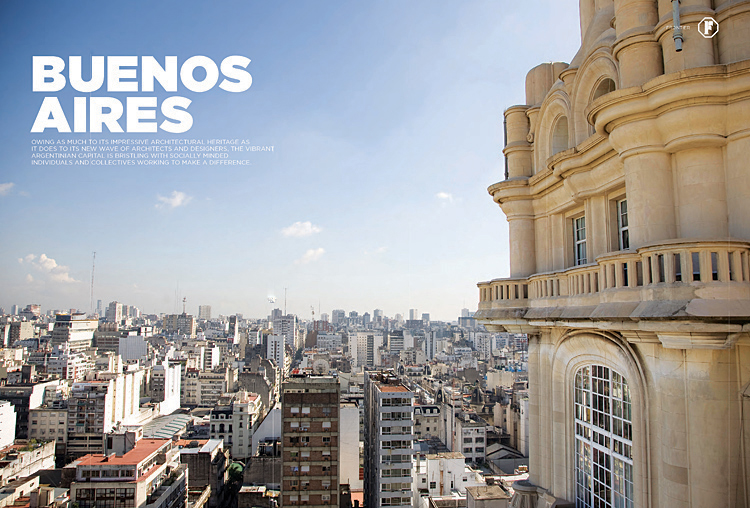
Buenos Aires
In the current edition of Monument Magazine you will find a spread about the
vibrant architecture and design community in Buenos Aires, which Tobias shot
earlier this year. After documenting the “State of Design Festival”
in Melbourne the next stopover will be Lisbon - again for the Frontier section
of Monument Magazine.
Visit www.monumentmagazine.com.au
May 2010
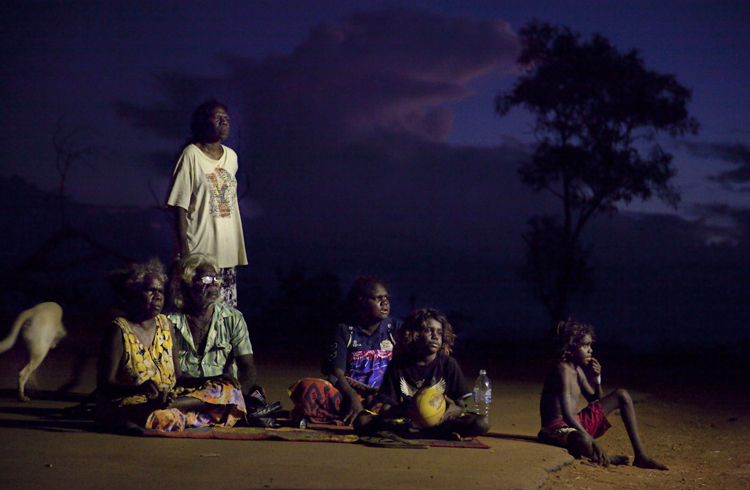
CROSSING ROPER BAR TOUR
The Australian Art Orchestra commissioned Tobias to document the current AAO
Crossing Roper Bar tour of the Northern Territory and Arnhem Land.
The Australian Art Orchestra and Young Wagilak Group will tour the Northern
Territory beginning with a performance and talk at the opening of the Art Gallery
of the Northern Territory’s 'Colour Country' Exhibition and a performance
at the Darwin Entertainment Centre.
Seven days of performances and workshops in Ngukurr and, if weather allows,
Numbulwar will follow. The tour will be the first journey back to Ngukurr for
the core ensemble since 2005 and will provide the opportunity to re-kindle vital
connections with the community there. Visit www.aao.com.au
February 2010
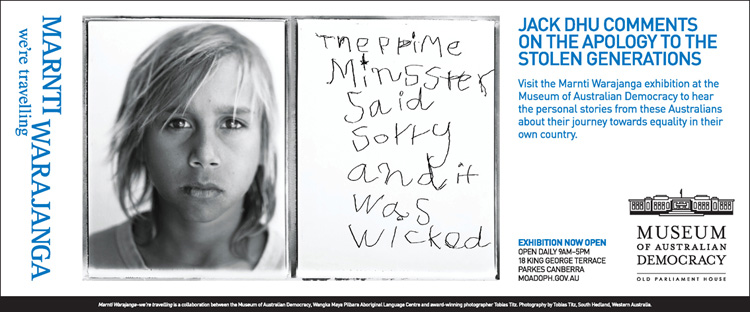
MARNTI WARAJANGA
Museum of Australian Democracy at Old Parliament House Canberra, 26 February
2010 – 20 February 2011
Marnti Warajanga – we’re travelling is a collaboration
between Wangka Maya Pilbara Aboriginal Language Centre, award-winning photographer
Tobias Titz and the Museum of Australian Democracy.
In Marnti Warajanga you will meet Indigenous and non-Indigenous Australians
from the Pilbara region of northern Western Australia. In their own words they
bear witness to momentous historical movements and reflect on their ongoing
work for social and political change at a community and national level.
In Tobias Titz’s unique collaborative portraiture process, each person
is photographed with a large format camera using Polaroid Type 665 film. He
then photographs the same space without the person in it. Following this, the
subjects write something of their choice into the wet ‘empty’ negative.
The texts relate to questions about major events such as the Pilbara Strike
of 1946, the 1967 Referendum and the 2008 Apology to the Stolen Generations.
Tobias says that providing a place where often long-buried stories can be told
‘allows us to understand where we come from and how to move forward’.
Join these Australians as they tell the story of their journey towards equality
in their own country.
www.moadoph.gov.au